
The smoothie diet phenomenon has taken the health world by storm, promising rapid weight loss and improved wellness through nutrient-packed liquid meals. But with countless conflicting opinions online, how do you separate fact from fiction? This comprehensive guide cuts through the noise to deliver evidence-based insights on smoothie diets, helping you understand whether this approach aligns with your health goals and lifestyle.
Whether you’re seeking a sustainable meal replacement strategy, looking to kickstart healthier eating habits, or simply want to incorporate more fruits and vegetables into your daily routine, this guide provides everything you need to make an informed decision about smoothie diets.
Understanding the Science Behind Smoothie Diet Success
Recent research supports the effectiveness of well-structured meal replacement programs for weight management. A 2024 study published in the journal Nutrients found that meal replacement products significantly reduced weight and body fat percentage without negatively affecting metabolic health. The controlled nature of smoothie-based meal replacements eliminates guesswork around portion sizes and caloric content, making it easier to maintain a consistent caloric deficit.
The success of smoothie diets lies in their unique combination of fiber, protein, and essential nutrients. Unlike juice cleanses that strip away beneficial fiber, smoothie diets retain the whole fruit and vegetable content, providing sustained energy and promoting feelings of fullness. According to Mayo Clinic nutritionist Lorraine Fye, “It’s really fine to have a smoothie every day. It can be a convenient meal replacement as long as you’re making sure that it really is replacing the meal.”
The fiber content in whole-fruit smoothies plays a crucial role in appetite regulation and blood sugar stabilization. Research demonstrates that fiber moves through the digestive tract slowly, helping maintain feelings of fullness and preventing the energy crashes that often lead to unhealthy snacking.
Transform your health with this proven smoothie diet system
What Makes a Smoothie Diet Effective for Beginners
A successful smoothie diet for beginners requires understanding the fundamental principles that separate effective programs from unsustainable fad diets. The most effective approaches focus on creating nutritionally complete meal replacements rather than simple fruit blends.
Key Components of Beginner-Friendly Smoothie Diets:
Protein Foundation: Every effective smoothie should contain 15-25 grams of protein to support muscle maintenance and satiety. Johns Hopkins nutritionist Jordan Spivak recommends combining protein sources like Greek yogurt, commercial protein powders, or nut butters to create satisfying meals.
Healthy Fat Integration: Including sources like avocado, chia seeds, or almond butter provides essential fatty acids and helps slow digestion, extending feelings of fullness between meals.
Vegetable Balance: The most successful smoothie diets maintain a 2:1 ratio of vegetables to fruits, ensuring optimal nutrient density without excessive sugar content. Starting with mild greens like spinach makes the transition easier for beginners.
Caloric Adequacy: Proper meal replacement smoothies should contain 300-500 calories to function as genuine meal substitutes, not just beverages consumed alongside regular meals.
The 21-Day Smoothie Diet Plan: What Research Really Shows
The popular 21-day smoothie diet approach has generated significant attention, with proponents claiming rapid weight loss results. According to research on meal replacement effectiveness, participants following structured programs typically lose 3-8 pounds over 21 days, with 1-2 pounds per week being a sustainable target.
A comprehensive analysis published in Healthline notes that the 21-day smoothie diet creates a calorie deficit by replacing two meals with smoothies while allowing one solid meal and two snacks daily. However, the research also highlights potential concerns about nutritional adequacy and long-term sustainability.
Week 1: Foundation Building During the first week, focus on establishing consistent smoothie preparation routines and adjusting to the meal replacement schedule. Start with simple combinations of spinach, berries, Greek yogurt, and protein powder to develop your palate for vegetable-forward smoothies.
Week 2: Nutrient Optimization Introduce more diverse ingredients including kale, cucumber, celery, and metabolism-supporting additions like ginger and cayenne pepper. This phase emphasizes maximizing micronutrient intake while maintaining palatability.
Week 3: Sustainable Transition The final week should focus on developing strategies for long-term success, including how to gradually reintroduce solid meals while maintaining the healthy habits developed during the program.
Start your proven 21-day smoothie transformation today
Best Meal Replacement Smoothie Recipes for Weight Loss
Creating effective meal replacement smoothies requires balancing taste, nutrition, and satiety. These research-backed recipes provide complete nutritional profiles while supporting sustainable weight loss.
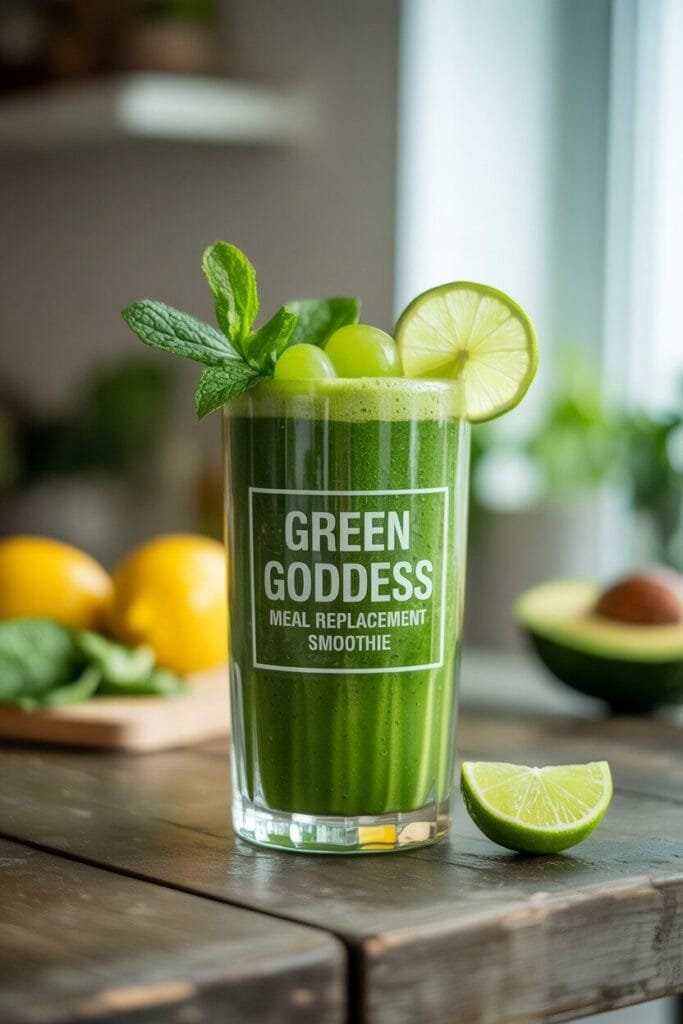
Green Goddess Meal Replacement Smoothie:
- 2 cups fresh spinach
- 1/2 avocado
- 1 scoop vanilla protein powder
- 1 cup unsweetened almond milk
- 1/2 frozen banana
- 1 tablespoon almond butter
- 1 teaspoon chia seeds
- Ice to desired consistency
This combination provides approximately 380 calories, 28 grams of protein, and 12 grams of fiber, making it an ideal meal replacement for weight management.
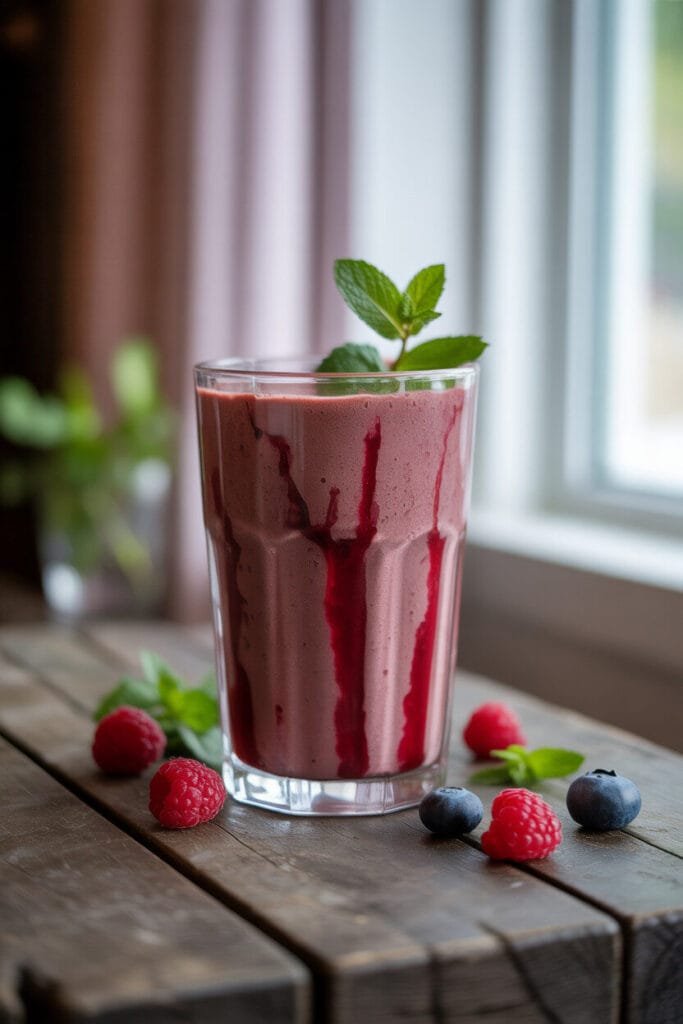
Chocolate Berry Protein Smoothie:
- 1 cup frozen mixed berries
- 1 scoop chocolate protein powder
- 1/2 cup Greek yogurt
- 1 tablespoon ground flaxseed
- 1 cup unsweetened cashew milk
- 1 teaspoon cocoa powder
- Handful of ice
This recipe delivers 340 calories with 32 grams of protein and antioxidant-rich berries that support overall health while managing hunger effectively.
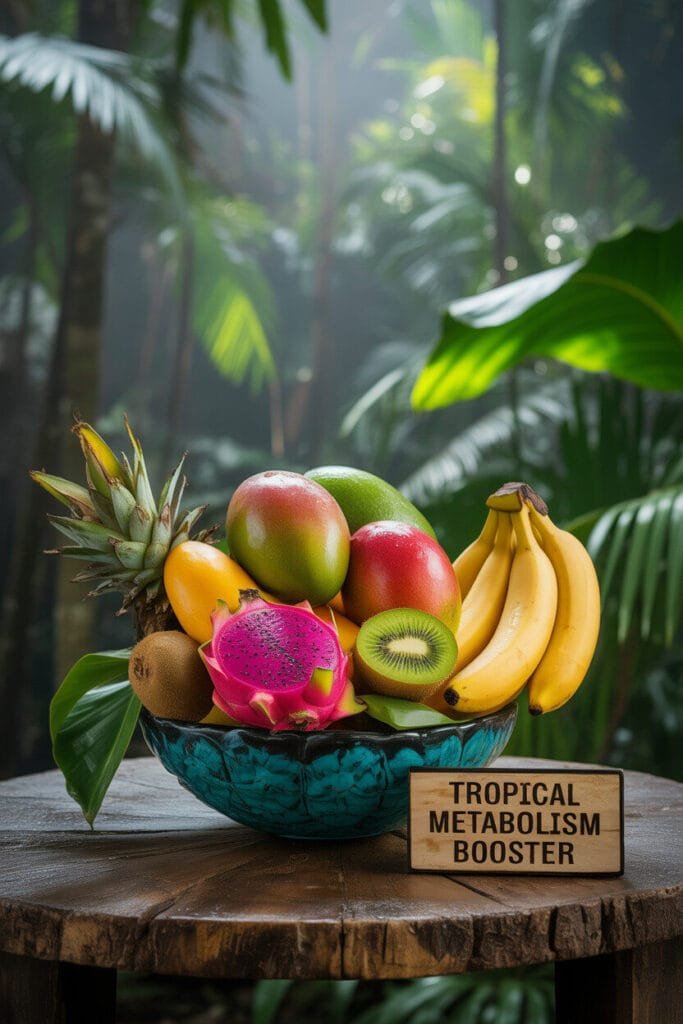
Tropical Metabolism Booster:
- 1/2 cup frozen pineapple
- 1 cup coconut milk (unsweetened)
- 1 scoop vanilla protein powder
- 1/2 inch fresh ginger root
- 1 cup spinach
- 1 tablespoon coconut oil
- Lime juice from half a lime
This metabolism-supporting smoothie provides 365 calories and includes thermogenic ingredients that may help increase calorie burn throughout the day.
Healthy Breakfast Smoothie Recipes for Weight Loss Success
Starting your day with a nutrient-dense smoothie can set the tone for healthy eating throughout the day. Research suggests that protein-rich breakfast options help regulate appetite hormones and reduce cravings for high-calorie foods later in the day.
Power-Packed Morning Smoothie:
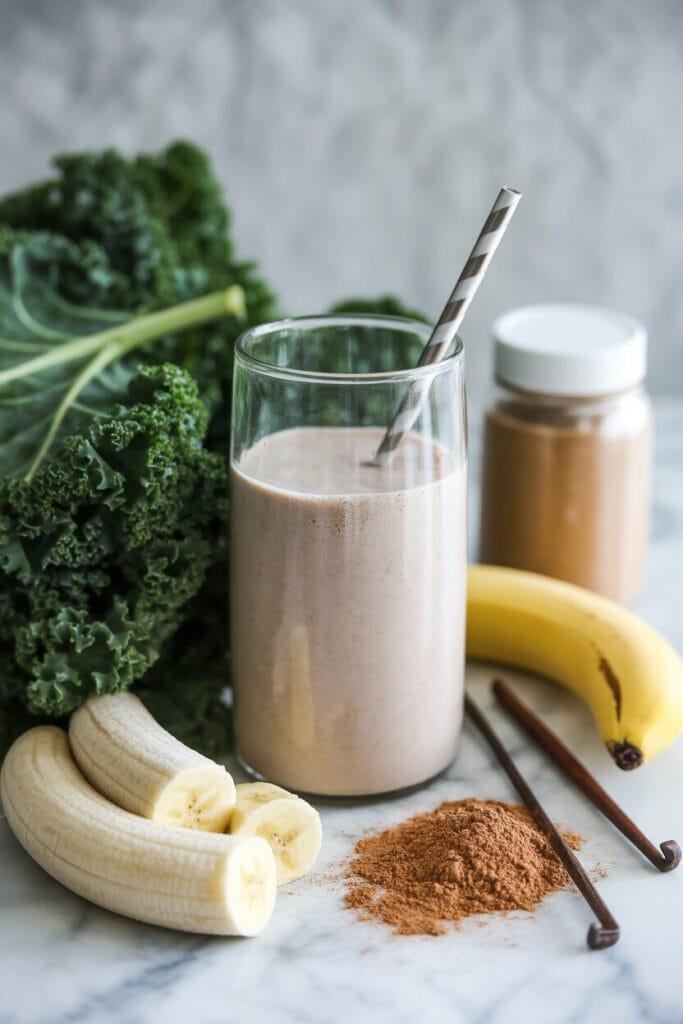
- 1 cup kale (stems removed)
- 1/2 frozen banana
- 1 scoop vanilla protein powder
- 1 cup unsweetened oat milk
- 1 tablespoon almond butter
- 1 teaspoon ground cinnamon
- 1/2 teaspoon vanilla extract
This breakfast smoothie provides sustained energy with 28 grams of protein and complex carbohydrates that prevent mid-morning energy crashes.
Antioxidant Breakfast Bowl:
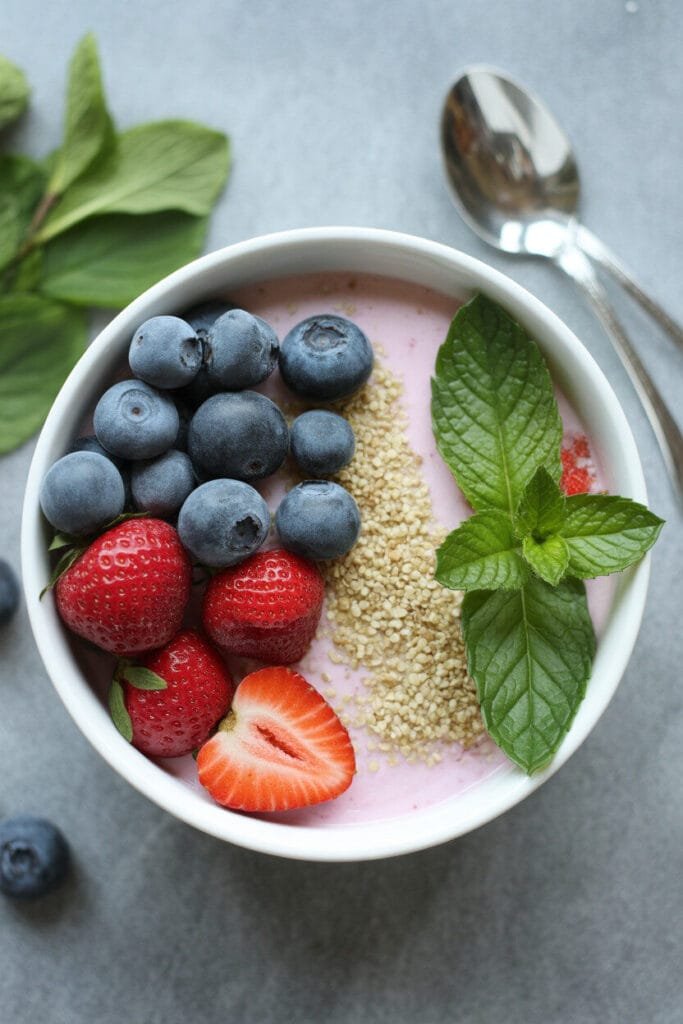
- 1/2 cup frozen blueberries
- 1/2 cup frozen strawberries
- 1 scoop protein powder
- 1/2 cup Greek yogurt
- 1 tablespoon hemp seeds
- 1 cup coconut water
- Fresh mint leaves
Rich in antioxidants and probiotics, this smoothie supports both weight management and immune system health.
Common Smoothie Diet Mistakes That Sabotage Results
Many beginners make critical errors that undermine their smoothie diet success. Understanding these pitfalls helps ensure your program delivers the intended results.
Treating Smoothies as Beverages Instead of Meals: The most common mistake involves consuming smoothies alongside regular meals rather than as replacements, leading to excessive caloric intake and weight gain instead of loss.
Over-Relying on High-Sugar Fruits: While fruits provide valuable nutrients, excessive fructose can spike blood sugar and increase cravings. Successful smoothie diets emphasize vegetables and moderate fruit portions.
Inadequate Protein Content: Many commercial smoothie recipes lack sufficient protein to function as meal replacements, leaving participants hungry and prone to snacking between meals.
Ignoring Portion Control: It’s easy to add “just a little more” of various ingredients, quickly turning a reasonable smoothie into a high-calorie beverage that exceeds daily caloric needs.
Maximizing Smoothie Diet Results: Beyond the Blender
Successful smoothie diet outcomes require a holistic approach that extends beyond meal replacement strategies. Several lifestyle factors significantly impact results and long-term sustainability.
Hydration Optimization: Consuming high-fiber smoothies increases fluid requirements. Adequate hydration supports digestion, nutrient absorption, and helps distinguish between hunger and thirst signals.
Exercise Integration: Regular physical activity amplifies smoothie diet benefits by increasing muscle mass and metabolic rate. Even moderate activities like walking or yoga can significantly improve results when combined with consistent meal replacement.
Sleep Quality Management: Research demonstrates that poor sleep disrupts hunger hormones and increases cravings for high-calorie foods, potentially sabotaging even well-planned dietary efforts.
Access comprehensive smoothie diet resources and meal plans
Transitioning Off Your Smoothie Diet: Maintaining Long-Term Success
The most successful smoothie diet participants develop strategies for maintaining results after completing their initial program. Rather than immediately returning to previous eating patterns, a gradual transition helps preserve metabolic improvements and healthy habits.
Phase 1: Gradual Reintroduction (Days 22-28) Continue with one daily smoothie while reintroducing solid meals for lunch and dinner. Focus on whole foods that mirror the nutritional principles learned during the smoothie diet phase.
Phase 2: Maintenance Integration (Weeks 5-8) Incorporate smoothies as snacks or breakfast options while maintaining emphasis on vegetables, lean proteins, and healthy fats in regular meals.
Phase 3: Lifestyle Integration (Ongoing) Many successful participants find that continuing with 3-4 smoothies per week helps maintain their weight loss and energy levels long-term.
Addressing Safety Concerns and Medical Considerations
While smoothie diets can be effective for many people, certain populations should approach these programs with caution or medical supervision.
Diabetes Considerations: The high carbohydrate content in fruit-heavy smoothies may cause blood sugar spikes in diabetic individuals. Consulting with healthcare providers before starting any meal replacement program is essential for this population.
Medication Interactions: Some smoothie ingredients can affect medication absorption or interact with blood thinners and other prescriptions. Medical consultation is particularly important for individuals taking multiple medications.
Nutritional Adequacy: Extended smoothie diet programs may increase the risk of nutritional deficiencies if not properly planned. Working with a registered dietitian helps ensure adequate intake of all essential nutrients.
Frequently Asked Questions About Smoothie Diets
How quickly can I expect to see results from a smoothie diet? Most people notice increased energy within 2-3 days and visible weight loss within the first week. Sustainable weight loss typically ranges from 1-2 pounds per week when following a properly structured plan.
Can I exercise while following a smoothie diet? Yes, moderate exercise is encouraged and can enhance results. However, intense workouts may require additional protein or calories to support recovery and performance.
Are smoothie diets safe for everyone? While generally safe for healthy adults, individuals with diabetes, eating disorders, or other medical conditions should consult healthcare providers before starting any meal replacement program.
What’s the difference between smoothie diets and juice cleanses? Smoothie diets retain the fiber content from whole fruits and vegetables, providing better satiety and blood sugar stability compared to juice cleanses that remove fiber during processing.
How do I prevent smoothie diet boredom? Rotating recipes weekly, experimenting with seasonal produce, and incorporating different protein sources and superfoods helps maintain variety and interest throughout the program.
The smoothie diet approach offers a structured, science-backed method for weight management when implemented correctly. By focusing on nutrient-dense ingredients, adequate protein, and sustainable practices, participants can achieve meaningful results while developing healthier long-term eating habits. Remember that the most effective smoothie diet is one that fits your lifestyle, preferences, and health status while providing the nutritional foundation for lasting wellness.
Begin your personalized smoothie diet journey with proven results

- Pineapple, spinach, mango, banana, kiwi, dates
- Plant based–vegan with no animal products, Dairy free
- Prepped to Blend
Disclosure: This post contains affiliate links. If you make a purchase through these links, I may earn a small commission at no extra cost to you.
