

Affiliate disclosure: This article contains a paid affiliate link. If you purchase through it, MyReviews25 may earn a commission at no extra cost to you. We have not personally tested Phytomem One. This is a research-based review of the seller’s public information and independent sources.
Last checked: November 22, 2026. Prices, labels, and refund conditions can change. Please check the current seller checkout before ordering.
If you are looking for an honest Phytomem One review, you probably want a simple answer: what is in the supplement, what does the science say, and is the price worth it? The seller presents it as a daily supplement for memory and focus. Its marketing sounds confident, but confident advertising is not the same as proof that a finished formula works.
Quick take: The seller advertises Phytomem One as a supplement with ten plant-based and other ingredients for adults interested in memory and mental clarity. The seller lists a price of $49 to $79 per bottle, depending on the bundle. We could verify research about some individual ingredients, but we did not find a published randomized clinical trial of the complete Phytomem One formula. Berberine also deserves special attention because it can interact with medicines.
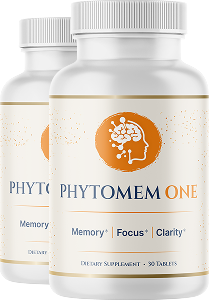
What is Phytomem One?
The seller markets Phytomem One as a plant-based dietary supplement for everyday memory, focus, and mental clarity. The seller presentation describes a mix of plant extracts, seaweed compounds, and ingredients linked to blood sugar. These are marketing descriptions, not verified clinical benefits of the finished product.
The company groups its ten advertised ingredients into a cellular defense matrix, a brain fuel and vitality complex, and a neural amplifier system. These names make the formula easier to market, but medical experts do not use these as standard categories. In particular, the available evidence does not support using this supplement as a treatment for Alzheimer’s disease, dementia, or diabetes.
Phytomem One ingredients: What is in the formula?
The current sales page names ten ingredients. Here is what each ingredient is, why the seller includes it, and what research can tell us. Ingredient research is not the same thing as a study on Phytomem One. We cannot assume that findings from a specific extract, dose, or group of patients also apply to this mixed formula.

What does each ingredient do?
| Ingredient on the seller’s list | Why the seller includes it | What buyers should know |
|---|---|---|
| Saffron extract | Plant extract that the seller links to memory support | Some human studies exist, but the results depend on the exact extract and dose. |
| Fucoxanthin | Natural pigment in brown seaweed | Most brain-related research remains at an early stage. It does not show that this product helps memory. |
| Fucoidan | Type of fiber-like compound from brown seaweed | Laboratory findings do not establish benefits for everyday human recall. |
| Oleuropein | Plant compound from olives | Research on antioxidant activity does not establish a clinical memory benefit. |
| Berberine HCl | Plant compound that researchers study for blood sugar control | May affect blood glucose and interact with medicines; see the safety section. |
| Ceylon cinnamon bark | Plant ingredient that researchers study for blood sugar | Research on blood sugar does not prove that it improves focus or memory. |
| Corosolic acid | Compound found in banaba leaves | Researchers have not shown a clear memory benefit in people. |
| Kudzu flower extract | Flower extract that contains plant compounds called isoflavones | No strong studies show that this full product helps memory. |
| Morosil red orange extract | Blood-orange extract that the seller links to metabolic health | Studies of weight or cell health do not prove a memory benefit. |
| Xylitol | Sugar alcohol that appears in foods and supplements | Strong human studies do not back the claim that xylitol provides special brain fuel. |
Why does the exact ingredient amount matter?
The key label question: On the seller presentation we reviewed, the seller named ten ingredients but did not show a full list of their amounts in milligrams beside them. Before paying, ask to see the Supplement Facts label. Check the serving size, exact amounts, and details about each extract. Small print matters more than glossy ingredient graphics.

What does research say about saffron and cognition?
Saffron deserves a closer look because there have been human studies. A review of clinical trials looked at how saffron might affect memory and thinking. That is a useful starting point, but the studies were not tests of Phytomem One. Researchers tested specific saffron products in specific groups of people. Without the product’s verified saffron dose and a finished-formula trial, it would be misleading to promise the same result.
What about the glucose metabolism ingredients?
Researchers also study berberine, cinnamon, and similar plants for their effects on blood sugar. The National Center for Complementary and Integrative Health (NCCIH) says there is some evidence that berberine may modestly reduce blood glucose in people with type 2 diabetes. This is not evidence that a supplement containing berberine improves memory in adults without those health conditions. It is also one reason medication interactions matter.
Does Phytomem One really work for memory and focus?
There are three different questions here. First, do some ingredients have biological activity? Yes, researchers have studied several of them. Second, has research shown that these ingredients reliably improve everyday memory at the doses inside this product? Research has not shown this clearly. Third, have researchers tested the complete Phytomem One formula in a well-run, published clinical trial? We could not verify one during this review.
The seller talks about supporting neurons, natural brain fuel, and cellular defense. Those are broad mechanisms and advertising claims. They do not prove that the pills reverse age-related forgetfulness, remove toxins from the brain, or prevent a memory disorder. The National Institute on Aging says current evidence does not support taking a vitamin or supplement to prevent Alzheimer’s disease or other forms of memory decline.
Before trusting a memory supplement, look for studies on the full product, a clear label, safety information, and results that researchers can measure. Until those are available, any potential benefit of Phytomem One remains uncertain.

Phytomem One side effects and safety concerns
The sales page describes the formula as natural and suitable for daily use. That is not enough information to guarantee safety for everyone. A supplement can have side effects even when its ingredients come from plants.
- Berberine: NCCIH lists possible abdominal pain, constipation, diarrhea, nausea, and vomiting. It may also interact with prescription medication.
- Blood sugar medication: Anyone taking insulin or other glucose-lowering drugs should discuss the product with a qualified clinician before use because some ingredients can affect glucose control.
- Pregnancy and breastfeeding: NCCIH advises against berberine use during pregnancy and breastfeeding. Do not assume this combination supplement is safe in these circumstances.
- Allergies and sensitivity: Review the complete label if you react to olive-derived ingredients, marine or seaweed products, citrus extracts, or any of the formula’s other components.
- Existing medical conditions: If you have liver or kidney problems, take several medications, or notice new memory problems, ask a doctor or pharmacist about suitability before using the product.
The FDA explains that it does not approve dietary supplements for safety and effectiveness before they go on sale, unlike prescription medicines. Marketing terms such as “natural” or “made in an FDA-registered facility” do not mean FDA approval.
Important: Talk to a doctor about new or worsening memory problems, especially if it affects daily activities. Sleep problems, medicines, vitamin deficiencies, mood conditions, and other health issues can also affect concentration. A supplement should not delay an evaluation.
How do you take Phytomem One?
The seller’s FAQ recommends one capsule per day with food. However, the same presentation also uses the word “tablets” in its quality section. Verify the directions and dosage form on the bottle you actually receive. More is not better, and taking extra capsules is not a proven way to get faster results.
There is also no scientifically verified timeline for when Phytomem One itself should improve memory. Do not assume that customer stories about changes in a few weeks show typical results or promise the same results for you.
Phytomem One price: What does it cost in 2026?
Here are the prices the sales page showed when we checked on November 22, 2026. The seller markets three multi-bottle packages rather than a single-bottle option on this page.
| Package | Price per bottle | Advertised total | Shipping shown |
|---|---|---|---|
| Starter, 2 bottles | $79 | $158 | Small shipping fee |
| Advanced, 3 bottles | $69 | $207 | Free US shipping |
| Ultimate, 6 bottles | $49 | $294 | Free US shipping |
The six-bottle option has the lowest listed cost per bottle, but it also requires the largest upfront payment. For a product without verified finished-formula efficacy data, buying more bottles purely to access a discount may not be the best decision. Check taxes, the amount charged at checkout, and the current shipping conditions before you commit.
Check the current Phytomem One price and product label (affiliate link, we may earn a commission if you buy)
What is the 60-day refund policy?
The seller advertises a 60-day money-back guarantee and says ClickBank handles payments. A sales-page promise is not the same as having reviewed an individual buyer’s refund outcome. Read the active terms, the refund instructions, and any return-shipping requirements before purchasing. Keep your order confirmation and payment receipt.
The product page also advertises three downloadable bonus guides with its packages. These bonus guides may interest some buyers. Their listed value, however, tells us nothing about whether the supplement works.
Pros and cons of Phytomem One
Potential positives
- The seller names ten ingredients instead of describing the formula only in vague terms.
- A one-per-day routine is simple if the verified bottle directions match the sales page.
- Bundle prices and the advertised 60-day refund window are visible before the final checkout.
- Research exists on certain individual ingredients, particularly saffron and berberine, although it cannot validate the full formula.
Reasons to be cautious
- We could not find a published clinical trial that tests the complete Phytomem One formula.
- The sales-page ingredient list did not clearly show the amount of each ingredient.
- Some ingredients may interact with medicines, especially for people managing blood glucose.
- Multi-bottle packages are a notable upfront expense, and the product is not a substitute for medical care.
- Some seller claims are much broader than the clinical evidence currently supports.
Who might consider it, and who should be careful?
An adult who understands the uncertain evidence and wants to ask a healthcare professional about a botanical supplement might consider reviewing the label and current offer. But someone seeking treatment for diagnosed cognitive impairment, Alzheimer’s disease, dementia, or another medical problem should not rely on Phytomem One. People taking prescription medicine should also get personalized advice rather than assuming a plant-based formula is harmless.
If you are comparing other supplements marketed for focus or brain wellness, you can also read our Lunakai Super Mushroom Gummies review. It uses the same basic approach: check the ingredient amounts, the human evidence, and the safety details before looking at product testimonials.
Five checks to make before buying
- Ask for the full Supplement Facts image. Confirm milligrams per serving, all other ingredients, and any proprietary blends.
- Check the evidence. Look for published trials using this exact finished formula, not only articles about isolated plant extracts.
- Review medicine interactions. Show the complete label to your doctor or pharmacist if you take regular medication.
- Verify the checkout total. Compare the actual bundle cost with shipping, taxes, and the written refund terms.
- Set realistic expectations. Do not replace a health assessment, prescribed treatment, sleep, activity, or a varied diet with an unproven supplement.
Frequently asked questions
Is Phytomem One FDA approved?
No. The FDA does not approve dietary supplements for safety or effectiveness before sale. A statement about manufacturing or registration is not the same as product approval.
What are the main Phytomem One ingredients?
The seller lists saffron, fucoxanthin, fucoidan, oleuropein, berberine, Ceylon cinnamon, corosolic acid, kudzu flower extract, Morosil red orange extract, and xylitol. Check the physical Supplement Facts panel for exact quantities.
Can Phytomem One cure memory loss or dementia?
There is no established evidence that this finished supplement cures or prevents dementia or other diagnosed cognitive conditions. Seek medical advice if memory difficulties are new, persistent, or getting worse.
How many capsules do you take each day?
The seller says one capsule with food each day. Follow the verified directions on the actual package and consult a clinician if you are unsure.
Is Phytomem One sold on Amazon?
The seller page says this offer is available through its own website. That is a seller statement, not independent proof of exclusivity. If shopping elsewhere, take care to verify the exact manufacturer, packaging, and seller.
Is the cheapest package always the best choice?
No. The six-bottle package has the lowest listed per-bottle price, but it also costs the most in total. To decide whether it offers good value, consider your budget, the refund terms, and the lack of strong proof that the formula works.
Our verdict: Is Phytomem One worth buying?
The seller presents Phytomem One as a plant-based supplement, but our evidence-based conclusion is careful, not enthusiastic. Some of its ingredients are scientifically interesting. That alone cannot demonstrate that the finished capsule reliably improves memory, focus, or clarity. The missing dose detail on the sales presentation and the possible interactions of berberine are important questions to settle first.
If you still want to evaluate the product, start with its exact Supplement Facts panel and discuss the formula with a healthcare professional when appropriate. Compare the price you will actually pay with the written refund conditions. We would not recommend treating this product as a solution for a medical memory problem.
View the seller’s Phytomem One offer and refund terms (affiliate link, we may earn a commission if you buy)
Sources and review method
We checked the seller presentation on November 22, 2026, then compared the advertised ingredients and claims with independent public-health guidance and published research. We did not purchase or personally use the supplement, interview users, or independently test the product’s purity or potency.
- Phytomem One seller presentation, ingredient list, pricing, directions and advertised refund policy, accessed November 22, 2026.
- Systematic review of saffron and cognitive function, indexed in PubMed.
- NCCIH: In the News, Berberine, evidence and safety considerations.
- National Institute on Aging: Cognitive Health and Older Adults.
- FDA: Information for Consumers on Using Dietary Supplements.
Medical disclaimer: This article is for general information and is not medical advice. Dietary supplements are not intended to diagnose, treat, cure, or prevent disease. Consult a qualified healthcare professional regarding symptoms, medications, pregnancy, breastfeeding, or medical conditions.
Disclosure: This post contains affiliate links. If you make a purchase through these links, I may earn a small commission at no extra cost to you.