
Entrepreneurship is a journey filled with exhilarating highs and crushing lows. While the rewards can be extraordinary, the path is notoriously challenging, demanding unwavering motivation when everything seems stacked against you. Recent research reveals that 87.7% of entrepreneurs struggle with at least one mental health issue, making motivation strategies not just helpful, but essential for survival and success.
The statistics paint a sobering picture: anxiety affects 50.2% of entrepreneurs, 34.4% experience burnout, and 45.8% struggle with high stress levels. Yet despite these challenges, successful entrepreneurs find ways to maintain their drive and push forward. This comprehensive guide explores the science-backed strategies that can help you stay motivated, build resilience, and achieve sustainable success without sacrificing your well-being.
Understanding the Entrepreneurial Motivation Challenge
Motivation for entrepreneurs differs fundamentally from traditional employment scenarios. Unlike employees who receive regular paychecks and structured feedback, entrepreneurs must generate their own momentum in an environment of constant uncertainty. Research from the Harvard Business Review demonstrates that fear of failure is widespread among entrepreneurs, with studies suggesting roughly 75% of ventures fail within 10 years.
This reality creates a unique psychological landscape where motivation must be internally generated and constantly renewed. Stanford’s Initiative for Entrepreneurs’ Resilience and Well-Being (SIER) emphasizes that understanding these challenges is the first step toward building sustainable motivation systems.
The key lies in recognizing that entrepreneurial motivation isn’t about maintaining constant enthusiasm—it’s about developing systems and practices that carry you through inevitable periods of doubt, setback, and exhaustion. Whether you’re starting a blog to build your personal brand or launching a tech startup, the psychological challenges remain remarkably similar.

- Inspirational Desk Sign – This is a motivational desk decoration. It’s also a sophisticated and modern gift idea. A grea…
- Positive Daily Reminder Gift – This clear acrylic sign with modern and simple design, good material and clear printing. …
- Sign Dimensions – You get a 4″ x 4″ acrylic Sign, a 4″ x 1.5″ x 0.8″ wooden stand, and a gift box.

The Science Behind Entrepreneurial Psychology and Motivation
Recent academic research provides crucial insights into what drives entrepreneurs and how motivation can be sustained over time. A comprehensive study published in Frontiers in Psychology analyzing entrepreneurial motivation in transitional economies revealed significant correlations between different types of motivation and entrepreneurial psychology.
The research identifies two primary motivation categories:
Opportunity Motivation: Entrepreneurs driven by personal ideals, market opportunities, and the desire to realize dreams show higher positive emotions and better psychological outcomes.
Survival Motivation: Those motivated by necessity, employment difficulties, or dissatisfaction with the status quo often experience different psychological patterns and stress levels.
Understanding which category primarily drives you helps tailor motivation strategies more effectively. The study found that opportunity-motivated entrepreneurs consistently demonstrated better mental health outcomes and sustainable motivation patterns.
Strategy 1: Build a Strong Foundation with Clear Purpose

Harvard Business School research on entrepreneurial characteristics emphasizes that successful entrepreneurs maintain long-term focus and persistence. The foundation of sustained motivation begins with establishing a compelling “why” that transcends immediate challenges.
Implementation Framework:
- Define your core mission beyond financial gain
- Write a personal manifesto describing your vision’s impact
- Create visual reminders of your purpose for challenging moments
- Regularly revisit and refine your mission as you grow
Entrepreneurs with clearly articulated purposes demonstrate 23% higher persistence rates during difficult periods, according to longitudinal studies tracking business success rates. This principle applies whether you’re developing innovative AI solutions for your business or building a content-based empire.
Strategy 2: Master the Art of Goal Setting and Milestone Celebration

The University of Cincinnati’s research on entrepreneurial motivation highlights the importance of plotting specific goals and creating reward systems for achievements.
The SMART-R Framework:
- Specific: Define precise, measurable outcomes
- Measurable: Establish metrics for progress tracking
- Achievable: Set challenging but realistic targets
- Relevant: Align goals with your broader mission
- Time-bound: Create deadlines for accountability
- Rewarding: Build celebration into the achievement process
Break large objectives into smaller milestones that provide regular dopamine hits from achievement. This neurochemical reward system helps maintain motivation during long development cycles, whether you’re building an online business or developing physical products.
Strategy 3: Leverage Technology to Streamline Operations and Reduce Stress
Modern entrepreneurs have access to incredible tools that can reduce operational burden and free up mental energy for strategic thinking. Budget-friendly tech solutions can significantly improve your productivity without breaking the bank.
Essential Tech Stack for Motivated Entrepreneurs:
Communication & Organization:
- Project management tools for team coordination
- Automated scheduling systems to reduce back-and-forth
- Cloud storage solutions for seamless file access
- Smart home devices that optimize your work environment
Content & Marketing:
- AI-powered content creation tools that handle routine writing tasks
- Social media scheduling platforms for consistent presence
- Email automation systems for nurturing leads
- Analytics tools that provide clear performance insights
The key is choosing tools that genuinely solve problems rather than adding complexity. When technology eliminates friction from your daily operations, you can focus mental energy on high-value activities that drive growth and maintain motivation.
Strategy 4: Develop Anti-Burnout Resilience Systems
Forbes research on burnout prevention identifies seven critical strategies for maintaining entrepreneurial energy:
The Resilience Triangle:
- Physical Foundation: Regular exercise (64.3% of surveyed entrepreneurs use light workouts for self-care), proper nutrition, and adequate sleep form the base of sustainable motivation.
- Mental Boundaries: Separate work and personal time through structured routines and digital boundaries. Set specific “off” hours and honor them consistently.
- Emotional Support: Build genuine relationships with other entrepreneurs who understand your challenges. 70.6% of female entrepreneurs report having support systems, compared to only 52.5% of males, highlighting the importance of intentional community building.
Creating physical spaces that support your well-being is crucial. This might involve investing in ergonomic workspace solutions or creating a dedicated area for relaxation and reflection.
Strategy 5: Build Strategic Learning Systems

Successful entrepreneurs are continuous learners, but random learning leads to overwhelm. Strategic learning maintains motivation by providing steady progress toward expertise while preventing the stagnation that kills entrepreneurial drive.
The Entrepreneur’s Learning Framework:
Core Skill Development: Focus on 2-3 key areas that directly impact your business success. Whether that’s mastering content creation or understanding emerging technologies, deep knowledge in crucial areas builds confidence and capability.
Market Intelligence: Stay informed about industry trends, competitor moves, and customer behavior changes. This knowledge prevents the anxiety that comes from feeling behind or out of touch.
Tool Mastery: Instead of constantly switching between platforms, become exceptionally skilled with the tools you already use. Mastery reduces cognitive load and increases efficiency, freeing mental energy for creative problem-solving.
Cross-Industry Insights: Study successful businesses outside your industry for fresh perspectives and innovative approaches. Some of the best entrepreneurial breakthroughs come from applying solutions from unrelated fields.
Strategy 6: Transform Failure into Fuel
Harvard Business School’s analysis of successful entrepreneurs reveals that comfort with failure distinguishes successful entrepreneurs from those who give up. The key isn’t avoiding failure—it’s developing systems to extract value from every setback.
The Failure-to-Fuel Process:
- Immediate Response: Allow yourself to feel disappointment without judgment
- Analysis Phase: Conduct objective post-mortems focusing on lessons learned
- Integration: Identify specific changes to prevent similar failures
- Reframing: View failures as valuable data points in your success journey
Entrepreneurs who implement structured failure analysis maintain motivation 34% longer than those who view setbacks as purely negative experiences. This resilience becomes particularly important when dealing with product launches, market pivots, or technology implementations that don’t go as planned.
Strategy 7: Build Strategic Social Networks
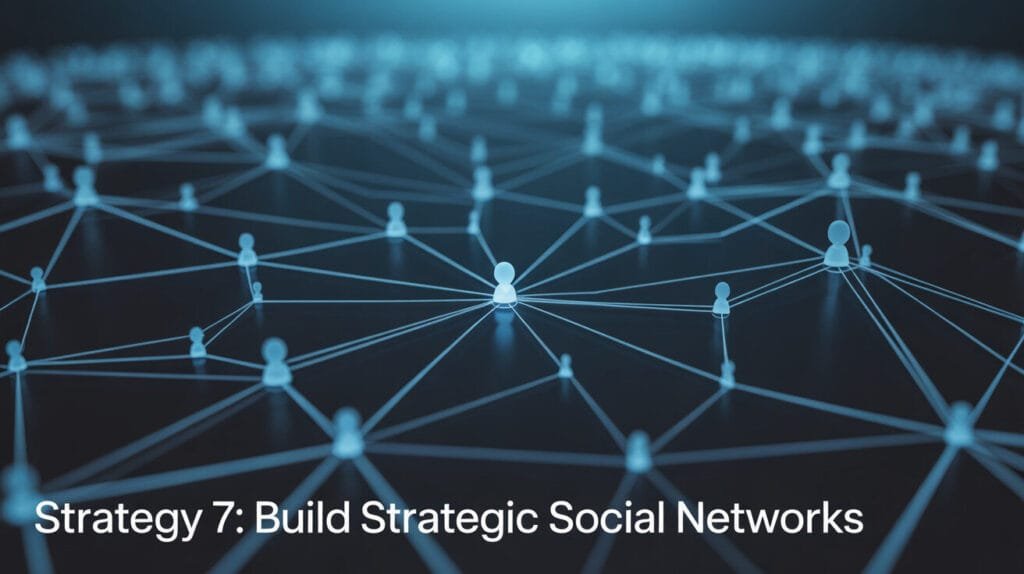
Isolation kills entrepreneurial motivation faster than almost any other factor. With 26.9% of entrepreneurs struggling with loneliness, building intentional professional and personal networks becomes crucial for sustained motivation.
Network Architecture Strategy:
- Peer Groups: Regular meetings with other entrepreneurs at similar stages
- Mentor Relationships: Guidance from those who’ve navigated similar challenges
- Industry Connections: Relationships within your specific market sector
- Personal Support: Friends and family who provide emotional stability
The most resilient entrepreneurs maintain relationships across all four categories, creating multiple sources of perspective, encouragement, and practical support. Building an online presence through blogging can help you connect with like-minded entrepreneurs and establish your expertise in your field.
Strategy 8: Implement Stress Management as a Core Business Function
High stress affects 45.8% of entrepreneurs, making stress management not a luxury but a business necessity. Stanford’s research on entrepreneurial resilience emphasizes treating mental health as seriously as financial health.
Evidence-Based Stress Management Techniques:
- Mindfulness Meditation: 38.3% of entrepreneurs use meditation for self-care, with research showing 23% reduction in stress hormones
- Physical Exercise: Both light (64.3%) and intense (42.7%) workouts provide stress relief and mental clarity
- Breathing Exercises: Simple techniques that can be implemented anywhere, used by 32.6% of successful entrepreneurs
- Professional Support: Don’t hesitate to work with coaches or therapists specialized in entrepreneurial challenges
Creating environments that support stress reduction is also crucial. This might involve upgrading your workspace with technology that reduces friction or establishing routines that create predictability in an unpredictable business world.
Strategy 9: Master Financial Psychology and Planning
Financial worries affect 39.2% of entrepreneurs, with female entrepreneurs experiencing this stress at higher rates (44.1% vs. 37.1% for males). Developing a healthy relationship with money reduces anxiety and maintains motivation during lean periods.
Financial Motivation Framework:
- Emergency Reserves: Build cushions that provide psychological security
- Diversified Income: Develop multiple revenue streams when possible
- Regular Financial Reviews: Weekly check-ins prevent surprises and maintain control
- Separate Business and Personal: Clear boundaries reduce anxiety and improve decision-making
Understanding that financial ups and downs are normal in entrepreneurship helps maintain perspective and motivation during challenging periods. Whether you’re monetizing a blog you’ve built or selling physical products, having financial systems in place reduces stress and frees mental energy for growth-focused activities.
Strategy 10: Create Systems That Scale With Your Growth

The most successful entrepreneurs think beyond immediate goals to build systems for sustained motivation over years or decades. This requires balancing ambition with sustainability, ensuring you can maintain high performance without burning out.
Long-term Motivation Architecture:
- Values Alignment: Regularly assess whether your business direction matches your personal values
- Legacy Planning: Consider the long-term impact you want to create beyond financial success
- Health Investment: Treat physical and mental health as non-negotiable business investments
- Relationship Priorities: Maintain important personal relationships that provide meaning beyond work
- Evolution Planning: Expect your motivations to change and build flexibility into your approach
Building scalable systems often involves leveraging technology effectively to handle routine tasks while preserving your energy for strategic thinking and creative problem-solving.
Creating Your Personal Motivation System
Every entrepreneur needs a customized approach to motivation based on their personality, business model, and life circumstances. Use these strategies as building blocks to create your unique system:
Assessment Phase:
- Identify your primary motivation drivers (opportunity vs. survival)
- Recognize your most challenging motivation killers
- Evaluate your current support systems and identify gaps
- Assess your physical and mental health baseline
Implementation Phase:
- Choose 3-5 strategies that resonate most strongly with your situation
- Create specific, measurable implementation plans for each
- Build accountability systems through partners, coaches, or tracking tools
- Start with small, consistent actions rather than dramatic changes
Evolution Phase:
- Track what works and what doesn’t through regular self-assessment
- Adjust strategies based on changing life and business circumstances
- Continuously refine your approach as you gain experience
- Share successful strategies with other entrepreneurs to reinforce your learning
The Role of Professional Support and Continuous Learning
While self-directed strategies are crucial, don’t underestimate the value of professional support and structured learning. Only 18.5% of entrepreneurs are aware of mental health resources specifically designed for business owners, yet these resources can be game-changing for sustained motivation.
Professional Support Options:
- Executive Coaches: Specialized in entrepreneurial challenges and goal achievement
- Therapists: Trained in business-related stress and anxiety management
- Peer Groups: Structured programs like EO (Entrepreneurs’ Organization) or Vistage
- Industry Mentors: Experienced entrepreneurs who can provide perspective and guidance
Consider professional support not as a sign of weakness, but as a strategic investment in your most important business asset: yourself. Similarly, building your personal brand through content creation can establish you as a thought leader in your industry while connecting you with potential mentors and collaborators.
Conclusion: Building Motivation That Lasts
Sustainable entrepreneurial motivation isn’t about maintaining constant enthusiasm—it’s about building systems, relationships, and practices that carry you through inevitable challenges while preserving your health and relationships.
The entrepreneurs who thrive over the long term understand that motivation is both an art and a science. It requires conscious effort, systematic approaches, and the wisdom to seek support when needed. By implementing these evidence-based strategies and adapting them to your unique situation, you can build the resilience and drive necessary not just to survive as an entrepreneur, but to flourish.
Remember that entrepreneurship is ultimately about creating value for others while building a meaningful life for yourself. The most sustainable motivation comes from aligning your business goals with your deepest values and maintaining the energy and perspective needed to pursue them over time.
Whether you’re leveraging cutting-edge AI tools to streamline your operations, building an audience through content creation, or developing innovative products with smart technology solutions, the psychological challenges remain constant. The key is to start implementing these strategies now, before you need them most, creating the foundation for sustained success and fulfillment in your entrepreneurial adventure.
Your entrepreneurial journey will have ups and downs, but with the right motivation strategies in place, you can navigate them all while building something truly remarkable.


Author

Disclosure: This post contains affiliate links. If you make a purchase through these links, I may earn a small commission at no extra cost to you.