
Introduction: Honest Smoothie Diet Review and What to Expect
The Smoothie Diet is trending everywhere for fast weight loss with simple, drinkable meals. But does a smoothie diet actually work—and is the 21‑day plan safe and sustainable? In this unbiased review, you’ll learn how the Smoothie Diet works, pros and cons, expected results, side effects, and expert tips to avoid rebound weight gain before you blend your first smoothie.
What Is the 21‑Day Smoothie Diet? How the Meal‑Replacement Plan Works
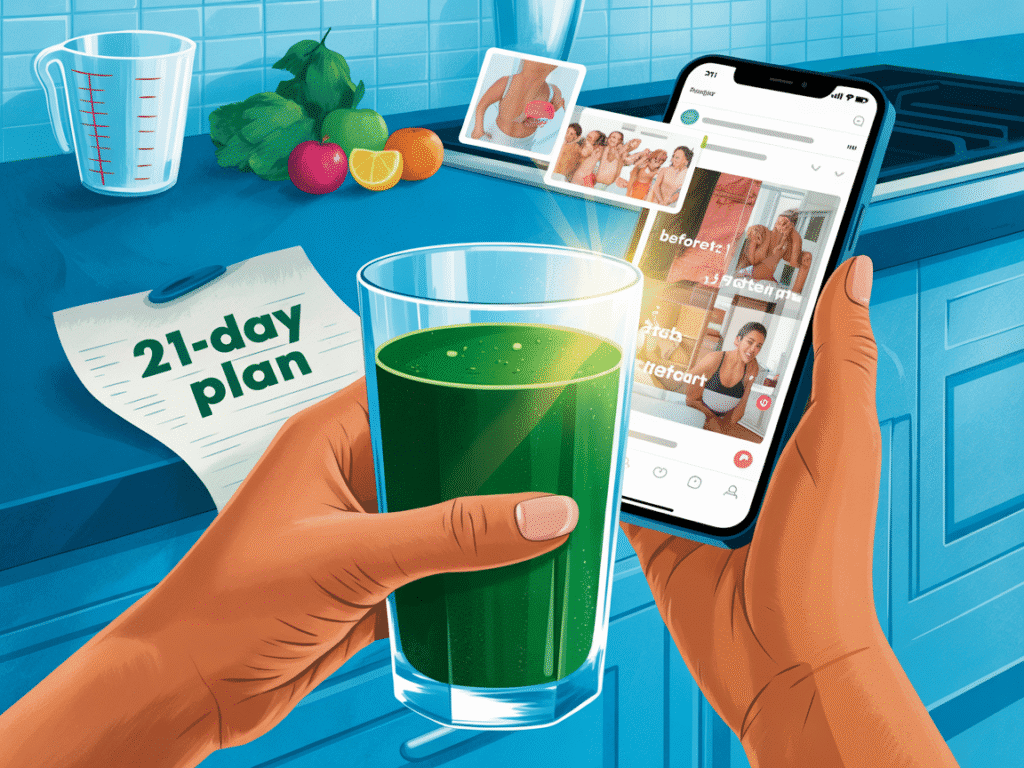
The 21‑Day Smoothie Diet is a short-term meal‑replacement plan: you swap two meals per day for nutrient‑dense smoothies and keep one balanced solid meal, plus optional snacks. It’s a simple, time‑boxed approach for quick weight loss without heavy meal prep or calorie counting. See the full guide to the Smoothie Diet for an overview.
Recipes typically combine low‑sugar fruits, leafy greens, protein (Greek yogurt, tofu, or protein powder), fiber (chia or flax), and healthy fats (avocado or nut butter). Most smoothies land around 300–400 calories to help create a calorie deficit for fat loss while boosting your intake of vitamins, minerals, and fiber.
Who it’s for: busy professionals, parents, and beginners who want a structured, approachable jumpstart. It’s more of a guided meal plan than a juice cleanse, but it’s still a restrictive, short‑term strategy—not a long‑term diet.
How the Smoothie Diet Works for Weight Loss: Structure, Ingredients, and Calories
Daily Schedule and Meal Timing (2 Smoothies + 1 Balanced Meal)
Most 21‑day plans use a simple pattern: a smoothie at breakfast and lunch, then a balanced whole‑food dinner, with optional high‑protein snacks if needed. Space meals 3–4 hours apart to support stable energy and appetite control. Aim to finish dinner by early evening. See the sample Smoothie Diet plan and schedule.
Best Smoothie Ingredients for Weight Loss (Protein, Fiber, Healthy Fats)
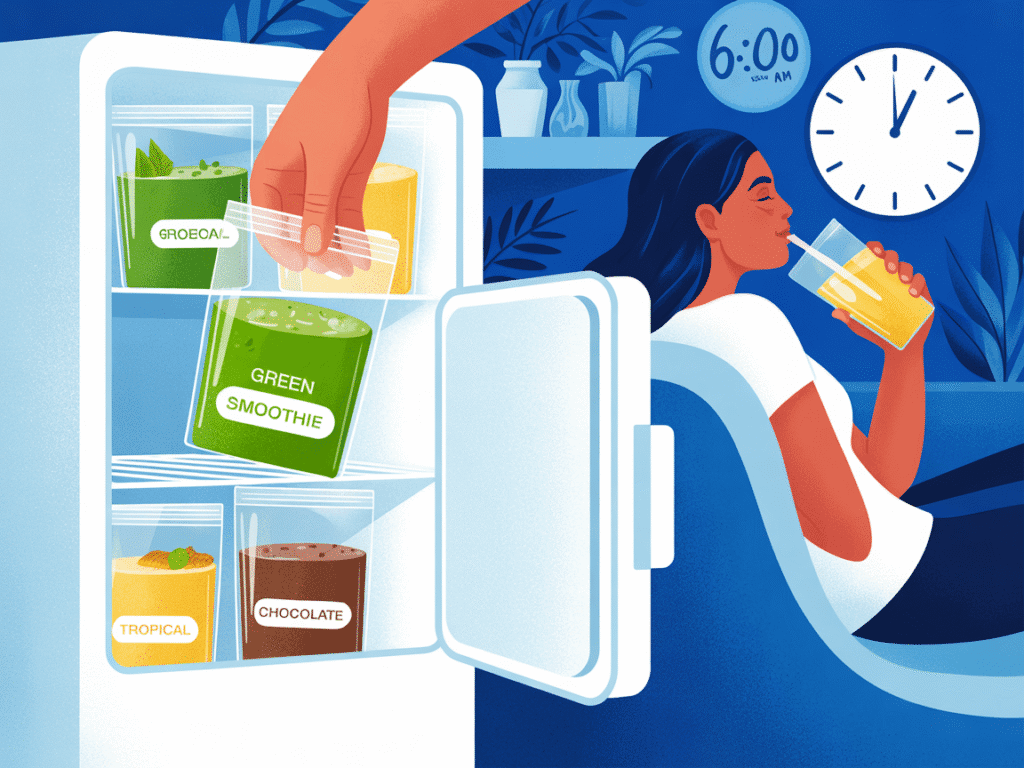
Build each smoothie around: greens (spinach, kale), low‑sugar fruit (berries), a protein source (Greek yogurt, tofu, or protein powder), fiber (chia, flax), and healthy fats (avocado, nut butter). Use unsweetened liquids (water, almond milk). Rotate recipes—tropical, chocolate, and green blends—to diversify nutrients and reduce boredom.
Detox Claims vs. Calorie Deficit: What Actually Drives Results
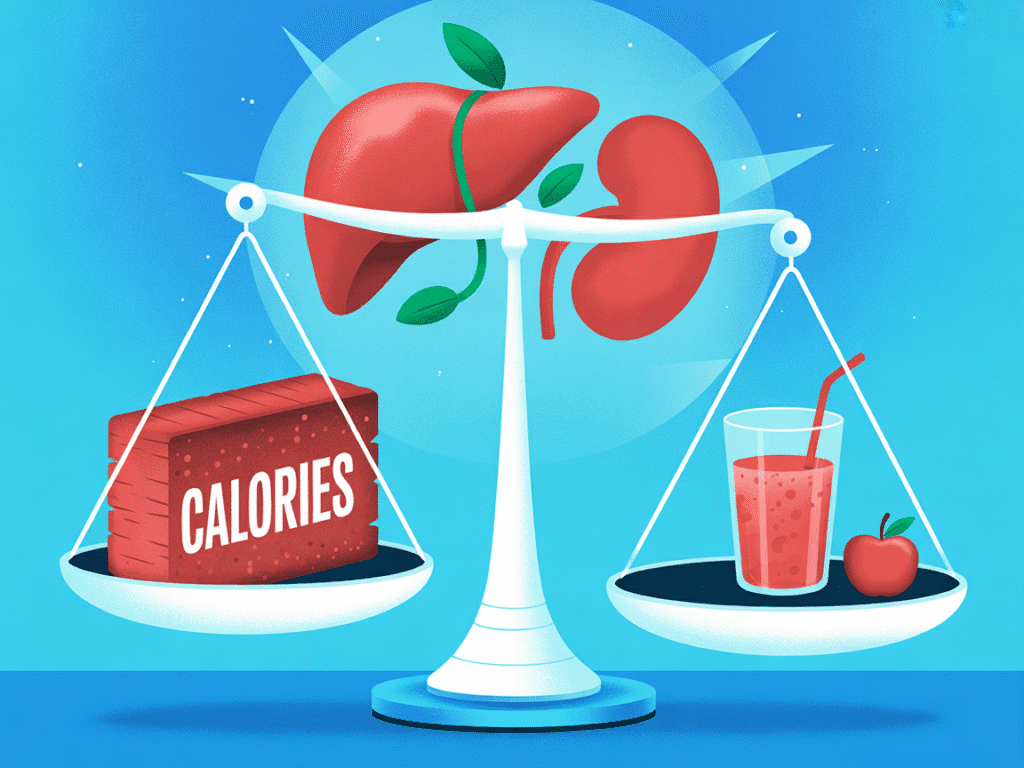
Ingredients like lemon, ginger, and leafy greens can support digestion, but detox claims are often overstated. Weight loss happens because you create a calorie deficit. Two 300–400‑calorie smoothies plus a balanced dinner typically lands most adults around 1,200–1,600 calories per day—enough to drive short‑term weight loss when planned well.
Expected Results by Week (What’s Water Weight vs. Fat Loss)
Week 1 often shows the biggest drop (5–8 lb for some; largely water). Weeks 2–3 usually settle at 1–2 lb per week, closer to sustainable fat loss. Some versions include an optional all‑smoothie “reset” day, but it’s not required for results.
Pros and Benefits of the Smoothie Diet
Weight Loss Potential (Short-Term Results)
The main appeal is rapid, short‑term weight loss. Many users report 8–15 lb lost over 21 days when smoothies are protein‑balanced and portions controlled. Before‑and‑after results vary by starting weight, adherence, and total calorie intake.
Digestion and Energy
Many people notice less bloating, more regularity, and steady energy—especially when smoothies include fiber and protein and avoid added sugars. Results vary based on ingredients and overall diet quality.
Higher Fruit and Veg Intake (5–7 Servings/Day)
Most people under‑consume produce; two smoothies per day can easily reach 5–7 servings of fruits and vegetables. This often makes it easier to keep eating more plants after the plan ends.
Simple and Convenient for Beginners
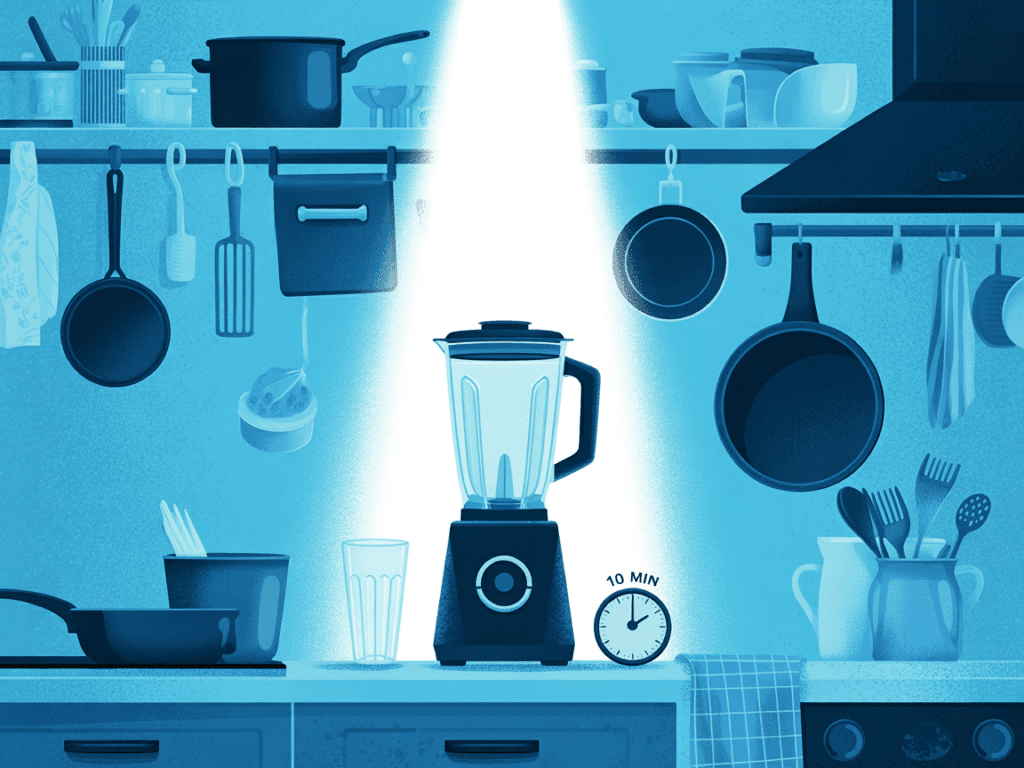
No complicated meal prep or calorie tracking. Beginner‑friendly smoothie plans offer clear recipes and shopping lists. Most blends take 5–10 minutes—ideal for busy mornings.
Cons, Risks, and Side Effects of the Smoothie Diet
Nutritional Gaps and Long‑Term Sustainability
This is a short‑term plan. Many recipes under‑deliver on protein, fiber, and healthy fats unless you modify them. Relying mostly on liquids isn’t realistic or satisfying for most people long‑term.
Hunger and Low Protein
Liquid meals may not keep you full. Many standard recipes provide only 10–15 g of protein—well below the 25–30 g per meal that helps manage hunger and preserve muscle. Add protein to each smoothie to improve satiety.
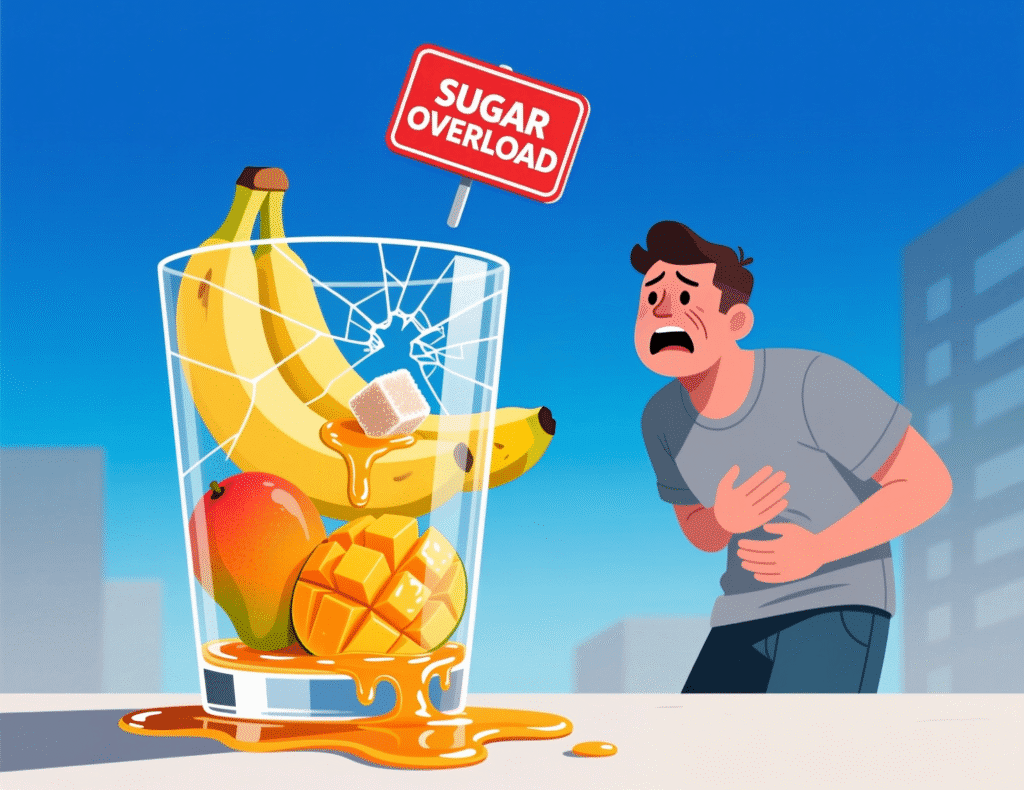
High Sugar from Fruit‑Heavy Blends
Fruit‑heavy smoothies can spike blood sugar and stall fat loss. Use berries and greens as a base, add protein and fiber, and limit higher‑sugar fruits (like bananas and mango) to keep carbs in check.
Who Should Avoid the Smoothie Diet
Not for everyone. People with diabetes (high‑sugar blends), kidney disease (potassium), those pregnant or breastfeeding, or anyone with a history of disordered eating should avoid or seek medical guidance before trying restrictive plans.
Real Results and Reviews: Smoothie Diet Before and After
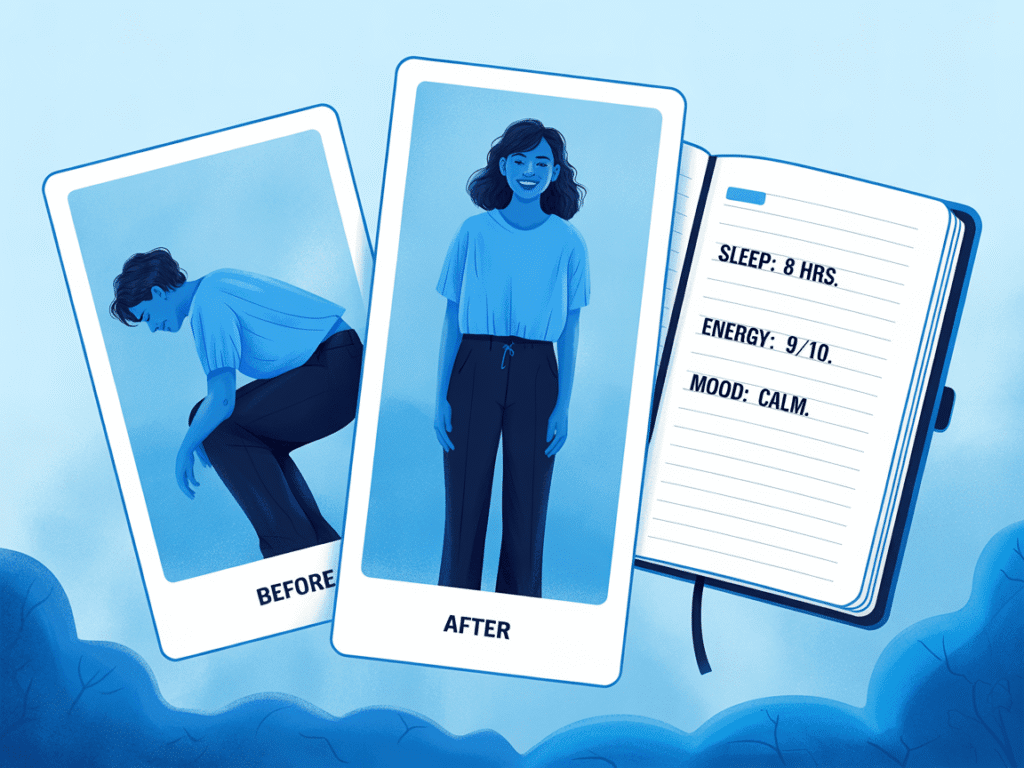
Common Success Stories
Looking at Smoothie Diet reviews reveals patterns. People who plan balanced smoothies and stick to the schedule often report:
- 10-15 pound weight loss in 21 days
- Clearer skin and reduced inflammation
- Better sleep quality
- Clothes fitting more comfortably
- Newfound confidence to continue healthy habits
Many describe it as a helpful short‑term kickstart that builds momentum for healthier habits afterward.
Common Complaints and Reasons People Quit
Not everyone finishes the plan. The most common complaints include:
- Persistent hunger that disrupts work and social life
- Boredom from limited food variety
- Digestive issues from sudden fiber overload
- Difficulty maintaining during social events
- Cost of constant fresh produce and supplements
Some stop within days because liquid meals feel unrealistic. Others complete 21 days but quickly revert to old patterns without a transition plan.
Before‑and‑After Photos and Reviews
Results vary. Some before‑and‑after photos show visible changes; others are modest. Typically, those with more weight to lose and those who hit protein targets see better results.
Long‑Term Adherence and Rebound Weight Gain
Many people regain weight after the plan ends. Without a gradual transition to sustainable meals and activity, old habits return. Expect better maintenance if you reintroduce solid meals slowly and keep protein and fiber high.
How to Do the Smoothie Diet Safely (Doctor Advice + Balanced Recipes)
Consult Your Doctor First
Get medical clearance before starting any restrictive plan—especially if you take medications, have diabetes or kidney disease, are pregnant or breastfeeding, or have a history of disordered eating.
Customize Smoothies for Balanced Nutrition
Don’t follow recipes blindly. Target 25–30 g protein and include fiber and healthy fats in each smoothie. Use low‑sugar fruits (berries) and non‑starchy vegetables (cucumber, celery, spinach) to keep calories and sugar in check.
Add Protein and Healthy Fats for Satiety
Treat smoothies like meals: aim for 25–30 g protein and 10–15 g healthy fats per serving to stay full and protect muscle.
- Hemp seeds
- Almond butter
- Avocado
- Silken tofu
- Protein powder (whey, pea, or collagen)
Use Fresh or High‑Quality Frozen Ingredients
Fresh is great, but frozen produce retains nutrients and can be cheaper. Choose unsweetened options and check labels for added sugars. If budget allows, consider organic berries and leafy greens.
Transition Slowly and Listen to Your Body
Don’t switch to all liquid meals overnight. Start by replacing one meal per day for a few days, then add a second if you feel good. If you feel weak, dizzy, or very hungry, increase calories and protein or add a whole‑food snack.
See the official 21‑Day Smoothie Diet program for structured plans, recipes, and a 60‑day guarantee.
Tips to Get the Best Results on the Smoothie Diet
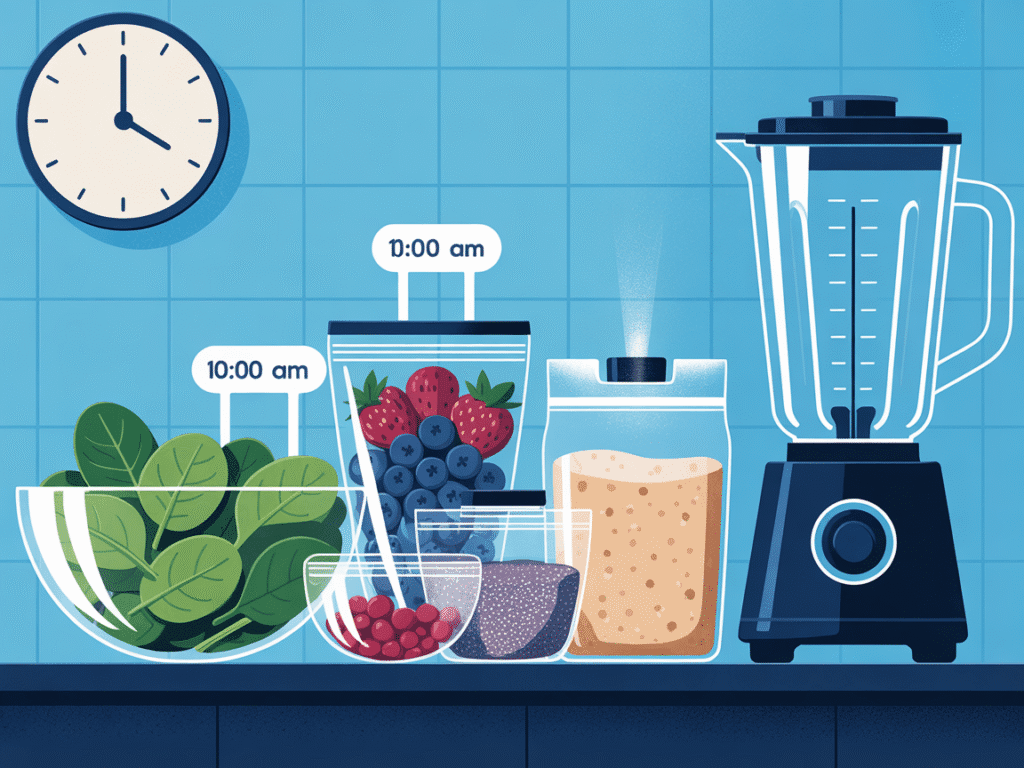
Meal Prep Smoothie Ingredients in Advance
Wash and portion fruits and greens into freezer bags or containers. Label each with the recipe and calories. Morning becomes grab‑and‑blend simple, reducing decision fatigue and time.
Invest in a Good Blender for Smooth Textures
A reliable blender (600+ watts) helps pulverize greens, ice, and seeds for better texture and absorption. See our review of a top-rated blender for smoothies.
Rotate Recipes to Avoid Boredom
Rotate at least 8–12 recipes per week. Mix flavor profiles—tropical, chocolate‑nut, and citrus‑greens—to keep taste buds engaged and micronutrients diverse.
Track Energy, Hunger, and Progress
Keep a simple journal noting energy (1–10), hunger between meals, mood, sleep, and weight/measurements. Adjust protein, fiber, or calories based on patterns.
Combine with Light Exercise for Better Results
Aim for daily movement (walking, yoga, swimming). Light to moderate exercise helps preserve muscle while you’re in a calorie deficit. Avoid very intense training until calories increase.
Healthy Alternatives to a Full Smoothie Diet
Whole‑Food Weight Loss Meal Plans
Focus on lean proteins, vegetables, healthy fats, and smart carbs. Whole‑food plans improve satiety, nutrient balance, and long‑term sustainability.
Intermittent Fasting with Smoothies as Meals or Snacks
Use smoothies strategically during your eating window. A protein‑rich smoothie is an easy first meal after a fast and can help control calories without full meal replacement.
Balanced Low‑Carb or Keto Smoothie Options
For low‑carb or keto, use berries, greens, avocado, unsweetened coconut milk, and protein powder. This keeps carbs low while providing micronutrients. If you supplement, choose evidence‑based options and check labels.
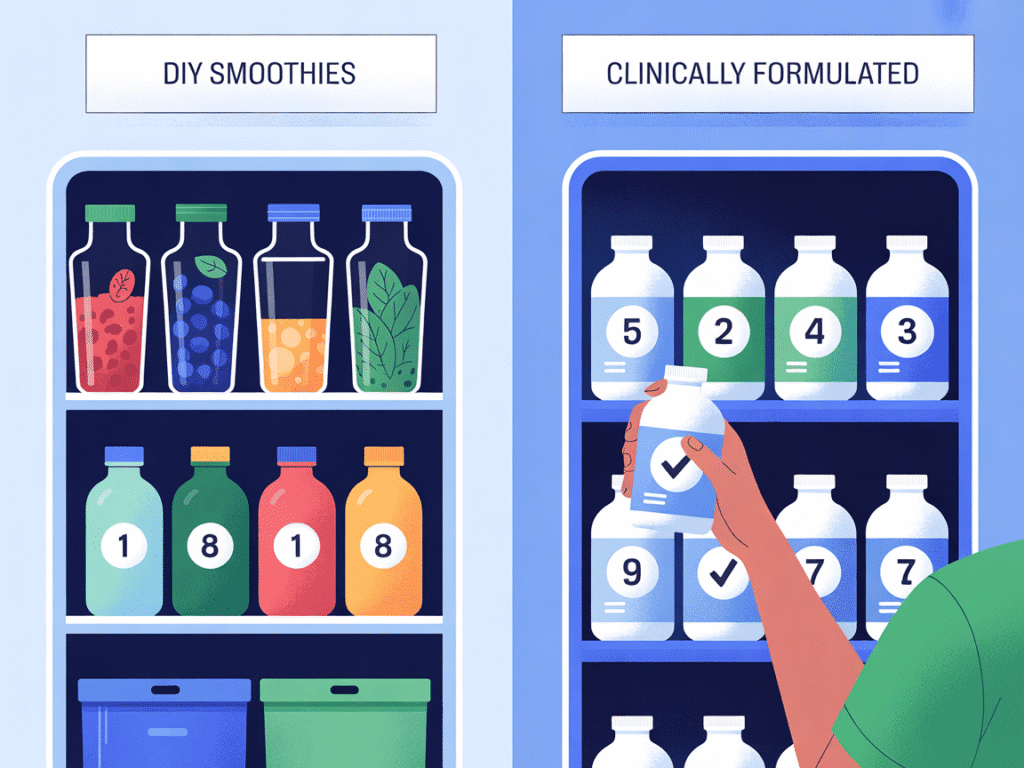
Commercial Shake Programs with Coaching or Clinical Backing
Structured shake programs can offer balanced nutrition, accountability, and coaching. They cost more than DIY smoothies but may suit those who want more guidance.
Smoothie Diet: Frequently Asked Questions
Is the Smoothie Diet safe for everyone to try?
No, the Smoothie Diet is not safe for everyone. People with diabetes, kidney issues, eating disorders, or those who are pregnant should avoid it. Anyone on medications affecting blood sugar or blood pressure should consult a doctor before starting. Generally healthy adults can try it short-term with proper planning.
Can I drink coffee while following the Smoothie Diet?
Yes, you can drink black coffee or coffee with minimal milk on the Smoothie Diet. Avoid sugary coffee drinks like lattes with added sugar as these add empty calories that may hinder weight loss. Caffeine can help suppress appetite and maintain energy during calorie restriction.
How much weight can I realistically lose on the Smoothie Diet in 21 days?
Most people can expect to lose 8-15 pounds over 21 days on the Smoothie Diet. The biggest loss occurs in week one (5-8 pounds, mostly water weight), with a steady 1-2 pounds per week during weeks two and three, depending on individual factors.
Do I need to buy special smoothie packs to follow the Smoothie Diet?
No, special smoothie packs are not required. You can create effective weight loss smoothies at home using common grocery store ingredients. Pre-made packs offer convenience but are optional and not necessary for success.
Can I exercise while on the Smoothie Diet, and what types are recommended?
Light to moderate exercise such as walking, yoga, swimming, or gentle cycling is recommended during the Smoothie Diet. Avoid intense workouts or heavy lifting because low calorie intake may not support recovery. Always listen to your body and adjust exercise intensity accordingly.
Is the Smoothie Diet effective for long-term weight loss?
As a standalone diet, the Smoothie Diet is not effective for long-term weight loss. It can jumpstart weight loss, but lasting success requires transitioning to balanced nutrition, portion control, and sustainable lifestyle habits after completing the plan.
How long can I store smoothies if I make them ahead of time?
You can refrigerate smoothies in airtight containers for up to 24 hours. Shake well before drinking due to natural separation. Freezing is possible but may change texture, making smoothies grainy due to ice crystals.
What are common side effects of the Smoothie Diet?
Common side effects include initial hunger, irritability, digestive changes like increased bowel movements, headaches from reduced caffeine or sugar, temporary fatigue, and more frequent urination. Most side effects subside within 3 to 5 days as your body adjusts.
Are There Any Side Effects?
Common smoothie diet side effects include:
- Initial hunger and irritability
- Digestive changes (more frequent bowel movements)
- Headaches from reduced caffeine or sugar
- Temporary fatigue as the body adjusts
- Increased urination from higher fluid intake
Most subside within 3-5 days.
Where Can I Find Reliable Recipes?
Start with tested beginner recipes designed for weight loss. Look for options with at least 20 grams of protein, healthy fats, and a vegetable base balanced with fruit for palatability.
Final Thoughts: Should You Try the Smoothie Diet?
Does the Smoothie Diet work? Yes—for short‑term weight loss and as a structured reset. It’s not a long‑term solution or right for everyone. Your results depend on planning balanced smoothies, meeting protein targets, and transitioning to sustainable meals afterward.
The truth lies between hype and dismissal: this plan can jumpstart healthier habits and deliver rapid initial results, but you’ll keep progress only if you transition to balanced, whole‑food meals and maintain activity.
If you try it, do it safely: customize recipes for protein, fiber, and healthy fats; monitor hunger and energy; and treat it as a 21‑day catalyst—not a lifestyle. Long‑term change comes from consistent, balanced choices.
Whether you use the official Smoothie Diet program or build your own plan, remember: the blender is a tool—lasting change comes from sustainable nutrition and habits.
Get the Official 21‑Day Smoothie Diet — 60‑Day Money‑Back Guarantee
Author

Disclosure: This post contains affiliate links. If you make a purchase through these links, I may earn a small commission at no extra cost to you.