How to Start Affiliate Marketing With No Money: Free Step-by-Step Guide

Want to start affiliate marketing but have no budget? Good news: you can start affiliate marketing with zero investment using free tools and platforms. I’ve been there—blew $200 on ads and made $0. This guide shows beginner-friendly, free methods that actually work.
Affiliate marketing success isn’t about budget—it’s about using free resources smartly, building trust, and driving qualified traffic that converts.
What Is Affiliate Marketing? Definition, How It Works, and Examples

Affiliate marketing is a performance-based model where you earn a commission for recommending products or services. You get a unique tracking link; when someone purchases or signs up through that link, you earn a commission.
People don’t buy because you dropped a link; they buy because they trust you and find your recommendation at the right moment. That’s why starting free is possible—you trade money for effort, helpful content, and consistency.
Why You Can Start Affiliate Marketing With No Money (And When to Add Paid Tools)
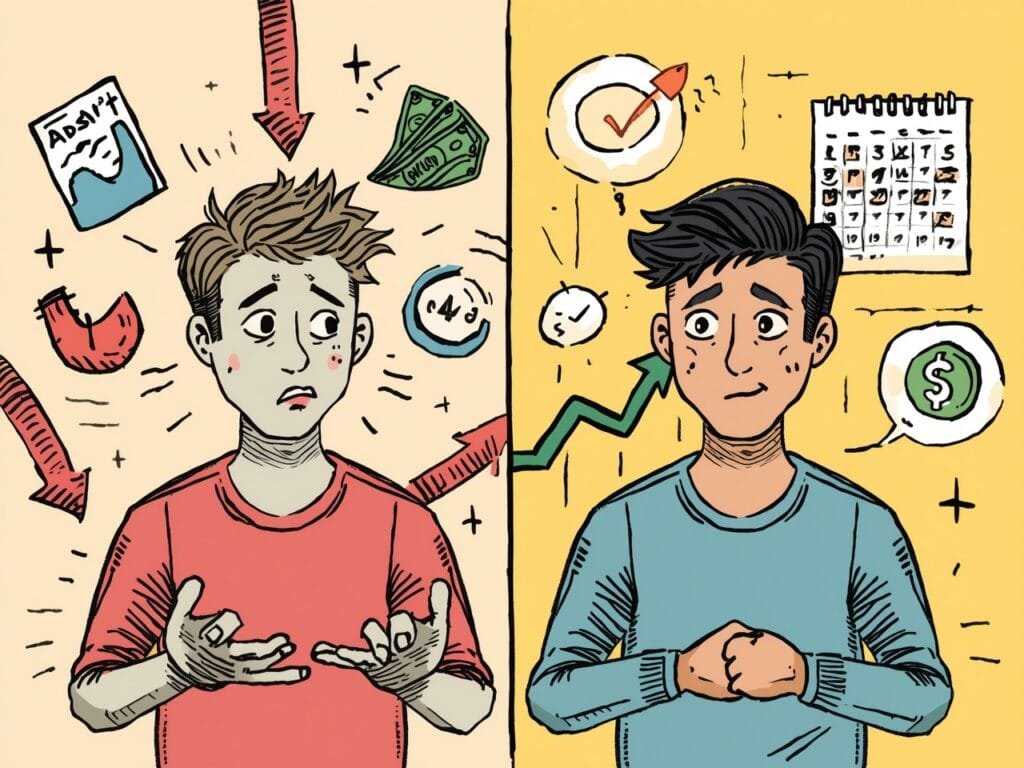
You don’t need a big ad budget to start affiliate marketing. What you need is audience attention and content that answers their questions.
With a phone or laptop and free tools (TikTok, YouTube, Pinterest, WordPress.com, Google Docs/Sheets, MailerLite), you have everything to get started.
Starting with no budget teaches the fundamentals—niche selection, keyword research, content creation, and free traffic—before you risk money on ads. Many beginners waste ad spend without product–market fit; starting free avoids that.
Step 1: Choose a Profitable Affiliate Marketing Niche
Before sharing links, choose a niche—a focused topic with clear demand and buyers. Your niche guides your keywords, content, and partner programs.
A profitable niche typically:
- Aligns with your interests so you can create consistent, authentic content.
- Has evergreen demand (health, wealth, relationships, hobbies) and steady search volume.
- Is profitable: available affiliate programs, decent commissions, and products with buying intent.v
Example: a ‘dog sweater’ niche is cute but low-value—tiny commissions and infrequent purchases. Look for niches with higher average order value (AOV) and recurring or digital products.
Step 2: Join High-Paying, Beginner-Friendly Affiliate Programs
Not all affiliate programs are equal. As a beginner on a $0 budget, prioritize programs that offer:
- Free signup and easy approval.
- Competitive commissions (20–50% for digital; 3–10% for physical).
- Products people actively search for and buy (check reviews and demand).
Beginner-friendly affiliate networks and programs:
- Amazon Associates: easy to start; low commissions but high trust and conversions.
- ClickBank: digital products with higher payouts; check gravity/EPC for quality.
- CJ, Impact, and ShareASale: lots of known brands across niches.
Pro tip: Favor digital and SaaS products for higher and often recurring commissions. A $100 course or $20/month tool can outperform low-margin physical items.
Recommended resource: Affiliate marketing ebook for beginners
Step 3: Build a Free Platform to Promote Your Affiliate Links
You don’t need an expensive website. Here are the best zero-cost ways to start building an audience and promote affiliate links:
Social Media (TikTok, Instagram, Pinterest, YouTube)
Pick one platform and focus. Short-form video (TikTok/Instagram Reels/YouTube Shorts) and Pinterest pins can drive free traffic. Add clear CTAs, link in bio/description, and include affiliate disclosures.
Free Blog or Website (WordPress.com, Blogger, Medium)
WordPress.com, Blogger, and Medium let you publish for free. Start with long-tail keywords, add internal links, and format posts with clear headings (H2/H3). Consider a custom domain later for better branding and SEO.
Build a Free Email List
Start collecting emails with free plans (MailerLite, Beehiiv, Substack). Offer a simple lead magnet (checklist or mini-guide via Google Docs/Canva). Email is owned traffic—great for nurturing and compliant affiliate promotions.
Choose one channel, publish useful content consistently, and place affiliate links contextually—never spam. Always include a disclosure.
Step 4: Create Value-Driven Content That Converts
Affiliate marketing isn’t link dumping. People want helpful, trustworthy content that solves a specific problem—and then a relevant recommendation.
Free content ideas that drive clicks and conversions:
- Honest product reviews with pros/cons, screenshots, and who it’s for/not for.
- Comparison posts (X vs Y) targeting high-intent keywords.
- How-to guides and tutorials that naturally recommend tools/products.
- Listicles (Best [Topic] for [Use Case] in 2025), ‘alternatives to’, and ‘best free tools’ posts.
Remember: quality content builds trust; trust earns clicks; clicks drive conversions and commissions.
Step 5: Get Free Traffic (SEO, YouTube, Pinterest, Reddit, Quora)
Skip paid ads for now and tap into sustainable free traffic channels:
- Pinterest: Pin tutorials/checklists; use keywords in titles, descriptions, and boards.
- YouTube: Target ‘how to’ and ‘vs’ keywords; add links and timestamps in descriptions.
- Reddit & Quora: Answer questions with genuine value; link only when allowed and always disclose.
- SEO: Use long-tail keywords (Google Autocomplete, People Also Ask), optimize titles/meta, and structure with H2/H3.
Free traffic compounds over time. Unlike ads, content can rank and bring clicks for months or years.
Step 6: Build Trust and Authority
People buy from people they trust. Affiliate marketing is relationship marketing.
How do you build trust without money?
- Show your face (if comfortable) and real screenshots/usage.
- Share personal results and context (who it’s for, what it replaced, outcomes).
- Engage in comments, email, and DMs; reply fast and help first.
Social proof and honest recommendations drive conversions—earn trust first, then recommend.
Step 7: Track, Test, and Improve (Free Tools)
Treat this like a business. Use free tools—Google Analytics, Google Search Console, Bitly/UTMs, and affiliate dashboards—to see what works.
Pay attention to:
- Click-through rate (CTR) on links and calls-to-action.
- Conversions by content type (reviews, comparisons, how-tos).
- Traffic and revenue by channel (YouTube, Pinterest, SEO, email).
Double down on top-performing topics and channels; cut or improve underperformers.
Common Affiliate Marketing Mistakes Beginners Make
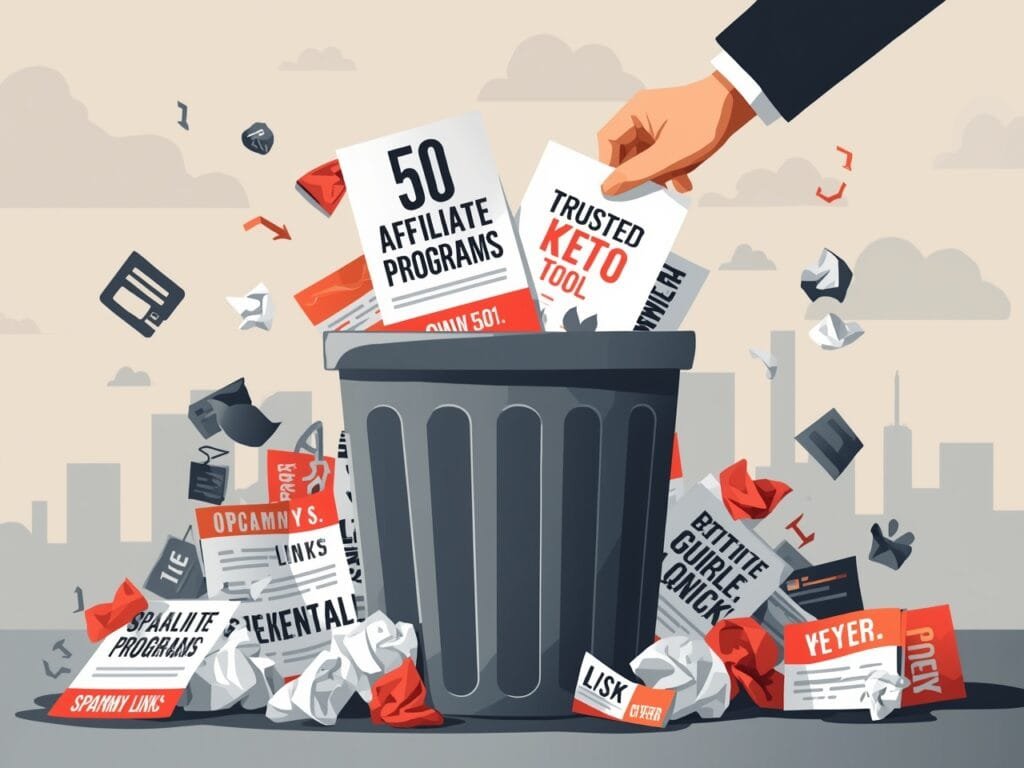
Avoid these beginner mistakes:
- Spamming links without context (harms trust and accounts).
- Chasing too many programs instead of focusing on one niche and a few quality offers.
- Expecting instant results; organic traffic and trust take time.
- Ignoring SEO basics (keyword research, on-page, internal links) that compound over time.
Why Affiliate Marketing With Zero Investment Works (Is It Profitable?)
Can you really make money for free? Yes—many beginners grow from $0 to meaningful income using SEO, YouTube, and Pinterest. It takes consistent publishing and smart topic selection.
Starting free minimizes risk. Worst case: you learn marketable skills. Best case: you build compounding traffic and recurring commissions that can reach $100/day and beyond.
Final Thoughts: Start Free, Learn Fast, Scale Smart
Starting affiliate marketing with no money isn’t about shortcuts—it’s about using what you have, working smart, and playing the long game.
You don’t need ads or a big budget. Pick a niche, choose a free platform, and publish helpful content—consistently.
Pick a niche, launch on a free platform, and post helpful content weekly. Small commissions compound—track what works and scale.
Recommended: Start Affiliate Marketing Like a Pro (ebook)
FAQ: How to Start Affiliate Marketing With No Money (Beginner Questions)
Can I start affiliate marketing without spending any money?
Yes, you can start affiliate marketing without spending money by using free platforms like TikTok, Pinterest, Medium, or free blogs on WordPress.com. Most affiliate programs also offer free signup, so no upfront cost is needed to begin.
How long does it take to make money with affiliate marketing?
Results vary, with some earning commissions within weeks while others take several months. Success depends on consistency, niche choice, and traffic strategies, so patience and regular effort are essential.
Do I have to show my face to succeed in affiliate marketing?
No, showing your face is optional. While it can help build trust, many affiliate marketers succeed by focusing on written content or visuals without revealing their identity.
What are the best affiliate marketing niches for beginners?
Beginner-friendly niches include health, wealth, and relationships because they are evergreen and profitable. It’s also important to choose a niche you are genuinely interested in to stay motivated.
Is having a website necessary to start affiliate marketing?
No, having a website is not necessary. You can start using free blogs, social media platforms, or email lists to promote affiliate products effectively without owning a website.
Can affiliate marketing generate passive income?
Yes, affiliate marketing can become a source of passive income once your content ranks well or goes viral. Initially, you need to work actively, but over time commissions can earn automatically from existing content.
How do I choose affiliate programs that pay well without upfront costs?
Look for affiliate programs with free signup, decent commission rates (20-50%), and products that buyers actually want. Digital products usually offer higher commissions than physical goods.
What free traffic sources can I use to promote affiliate links?
Effective free traffic sources include Pinterest, YouTube, Reddit, Quora, and SEO-optimized content. Using these channels consistently helps generate clicks without advertising costs.
What common mistakes should I avoid as a beginner affiliate marketer?
Avoid spamming links, chasing every new affiliate program without focus, expecting instant results, and ignoring SEO. Focus on one niche, create valuable content, and build trust for success.
How can I build trust with my affiliate audience without spending money?
You can build trust by sharing personal experiences, engaging authentically with your audience, providing honest reviews, and being consistent with valuable content—all without needing an advertising budget.
Disclosure: This post contains affiliate links. If you make a purchase through these links, I may earn a small commission at no extra cost to you.