
Affiliate disclosure: This article contains affiliate links. We may earn a commission if you purchase through them, at no additional cost to you. This is a research-based assessment, not a hands-on product test.
Septifix review 2026: Septifix is marketed as an oxygen-releasing septic tank treatment tablet intended to reduce odors and support waste breakdown. But should you add it to your septic system? The important distinction is between the manufacturer’s claims and independently established benefits.
Septifix Review: Quick Verdict
Our assessment: We cannot verify that Septifix reliably removes odors, reduces sludge, extends pumping intervals, or protects drainfields. The U.S. Environmental Protection Agency (EPA) does not recommend routine use of septic tank additives because normal systems already contain microorganisms needed for wastewater treatment. Some additives may interfere with treatment or drainfield performance. For ongoing odors, backups, or slow drains, arrange a professional inspection instead of relying on tablets.
Source: EPA, Frequent Questions on Septic Systems.
What Is Septifix and How Is It Supposed to Work?
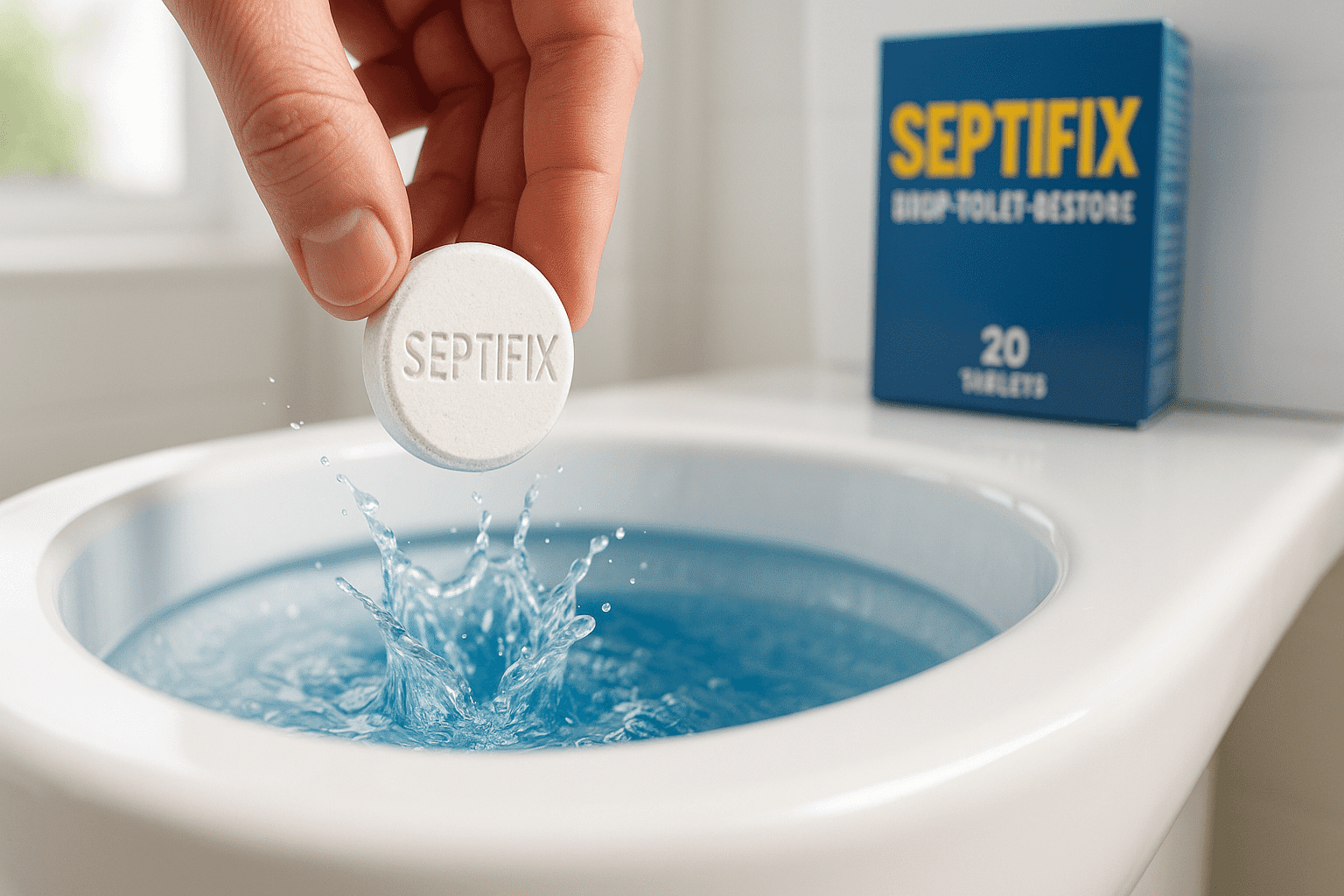
Septifix is sold as a tablet-based septic additive. Its marketing describes oxygen release and assistance with waste breakdown and odor control. These descriptions are product claims, not evidence that the product will solve a particular system problem. We did not independently test oxygen output, microbial activity, sludge levels, effluent quality, or long-term system performance.

Does Septifix Really Work?
There is insufficient independently verified, product-specific evidence in this review to confirm Septifix’s advertised outcomes. A short-term change in smell does not prove improved wastewater treatment, a healthy drainfield, or reduced need for pumping. Outcomes would also depend on the age, design, loading, and condition of the septic system.
In its 2024 septic tank additives fact sheet, the EPA explains why additives are generally not recommended for domestic wastewater treatment. If a manufacturer provides controlled testing on Septifix itself, those data should be assessed separately rather than assuming all oxygen-releasing products behave the same way.
Benefits and Limitations
Potential advantages
- Tablet format may be convenient for people who choose to use an additive.
- The seller describes an oxygen-releasing mechanism intended for odor management.
- It can be compared with other treatment products by checking the label, formulation, and cost per application.
Important drawbacks
- No independent hands-on test or product-specific long-term effectiveness data were verified for this article.
- Claims about guaranteed odor removal, sludge reduction, or fewer pump-outs should not be treated as established.
- The EPA does not recommend routine septic additives.
- The product is not a substitute for repairs, inspections, or pumping.
Septifix vs. Rid-X and Other Septic Treatments
Septifix emphasizes oxygen release in its marketing, while enzyme and bacteria-based additives such as Rid-X are sold on a different stated mechanism. That difference alone does not establish that one product is more effective. The most useful comparison is whether either additive is needed in a properly working tank. The EPA says routine additives are generally unnecessary and recommends professional assessment when problems occur.

Septifix Price, Packages, and Refund Policy
Pricing, package sizes, discounts, delivery fees, and refund conditions can change. Earlier versions of this review quoted specific 2025 bundle prices and promotions that have not been independently verified for October 2026, so we are not presenting them as current offers. Check the seller’s checkout terms before purchasing, including the number of tablets, recommended application frequency, shipping fees, refund conditions, and whether a subscription is involved.
Check the current Septifix offer and seller’s terms (affiliate link). An affiliate landing page is not independent evidence that the product works.
Is Septifix Safe for Every Septic System?
Do not assume an additive is suitable for every system, including alternative systems or those already experiencing drainage problems. Review the full ingredient and safety information and consult a qualified septic professional or local regulator before use. Do not enter a septic tank, as gases and oxygen-deficient conditions can be deadly.
What Actually Helps Maintain a Septic System?
According to the EPA’s septic system care guidance, typical household systems should be inspected about every three years and tanks commonly pumped every three to five years, adjusted to the system and its use. Spread out water use, flush only appropriate waste, and protect the drainfield from vehicles and excess water. An unusual sewage odor, repeated backup, wet ground, or standing wastewater calls for professional attention.
Frequently Asked Questions About Septifix
Can Septifix replace pumping?
No. An additive should not be relied on to eliminate scheduled septic pumping or inspections.
How quickly does Septifix remove odors?
We could not independently verify a reliable timeline. Ongoing or strong sewage odors may indicate a problem requiring inspection.
Does Septifix protect the drainfield?
There is no independently verified product-specific evidence established in this review that it protects the drainfield. Some additives can negatively affect treatment performance, according to EPA guidance.
How often should I use Septifix?
Do not rely on dosing schedules quoted in older advertisements. Check the current label and consult a qualified professional about whether an additive is appropriate for your system at all.
Is the price or money-back guarantee still the same in 2026?
We have not verified current pricing or guarantee terms. Read the checkout and refund policy before placing an order.
Final Verdict: Is Septifix Worth Buying?
For most homeowners, professional maintenance is a more reliable priority than buying a septic additive. Septifix’s claimed oxygen-release mechanism may sound appealing, but independently verified evidence for the promised product benefits is not established here. If your septic system is working normally, the EPA advises that routine additives are generally unnecessary. If it is malfunctioning, get the cause diagnosed rather than relying on a tablet.
Editorial methodology: This review compares the seller’s stated product concept with public EPA septic maintenance guidance. We have not purchased or laboratory-tested Septifix and do not present promotional testimonials as verified customer outcomes. Product images are illustrative and may not show current retail packaging.
Disclosure: This post contains affiliate links. If you make a purchase through these links, I may earn a small commission at no extra cost to you.